Things to do in Petra: a first-timer's guide for 2026


Things to do in Petra: a first-timer's guide for 2026
The first time I walked the Siq, I made the mistake most first-time visitors make: I thought Petra was the Treasury and an afternoon. It is a whole carved city, and one day barely covers it. If you are planning a 2026 trip and want to see the parts that actually reward the walk, this guide is built for you.
Below are 12 things worth doing in Petra, from the Treasury reveal to the long climb to the Monastery, plus the day trips and add-ons that make the rose-red city the anchor of a wider Jordan route. Each one has a "Good to know" block so you can plan times, prices, and distances at a glance.
Everything here can be booked through BookingRadar, including Petra entry, guided tours, Petra by Night tickets, Wadi Rum camps, and transfers from Amman, Aqaba, and the Dead Sea.
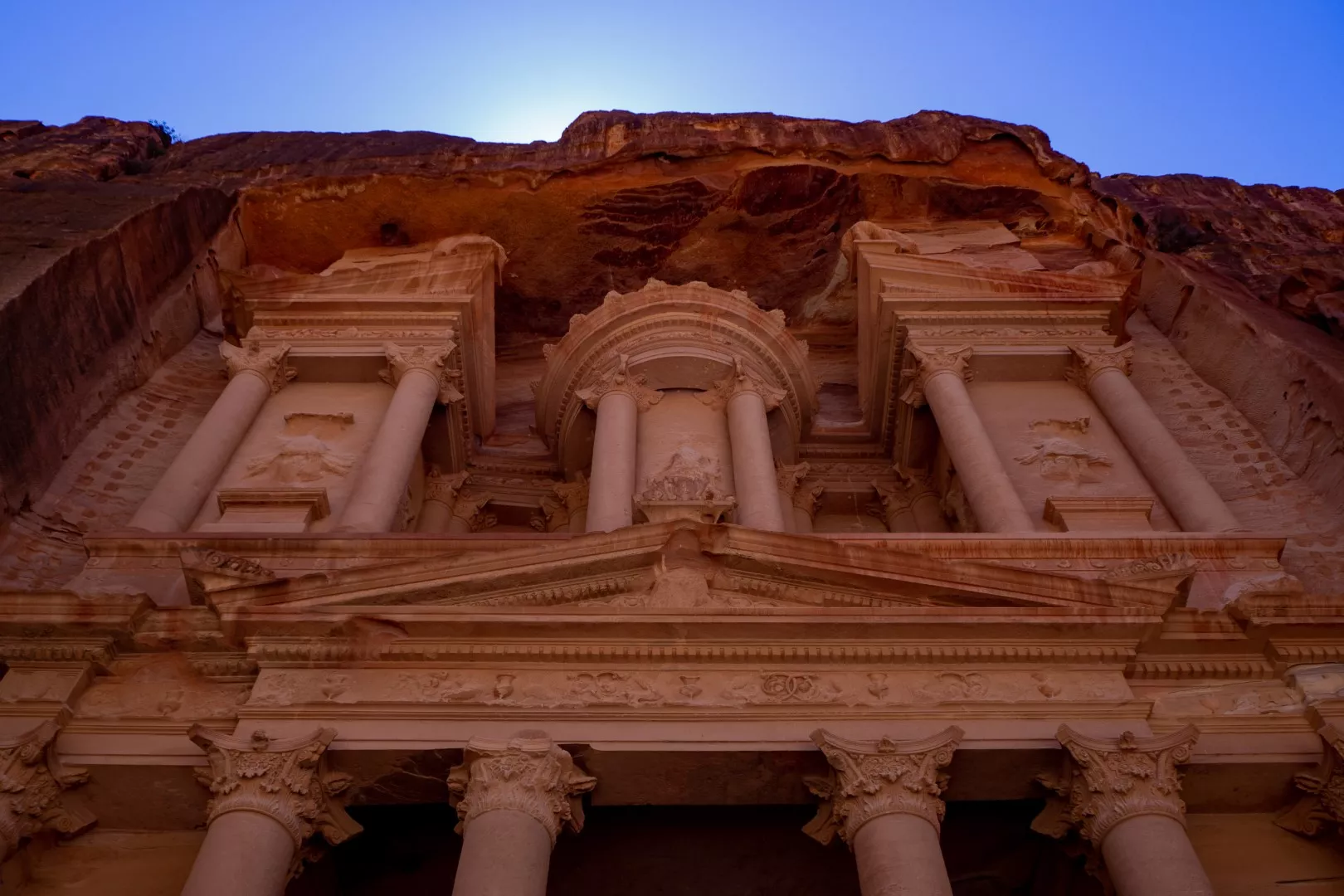
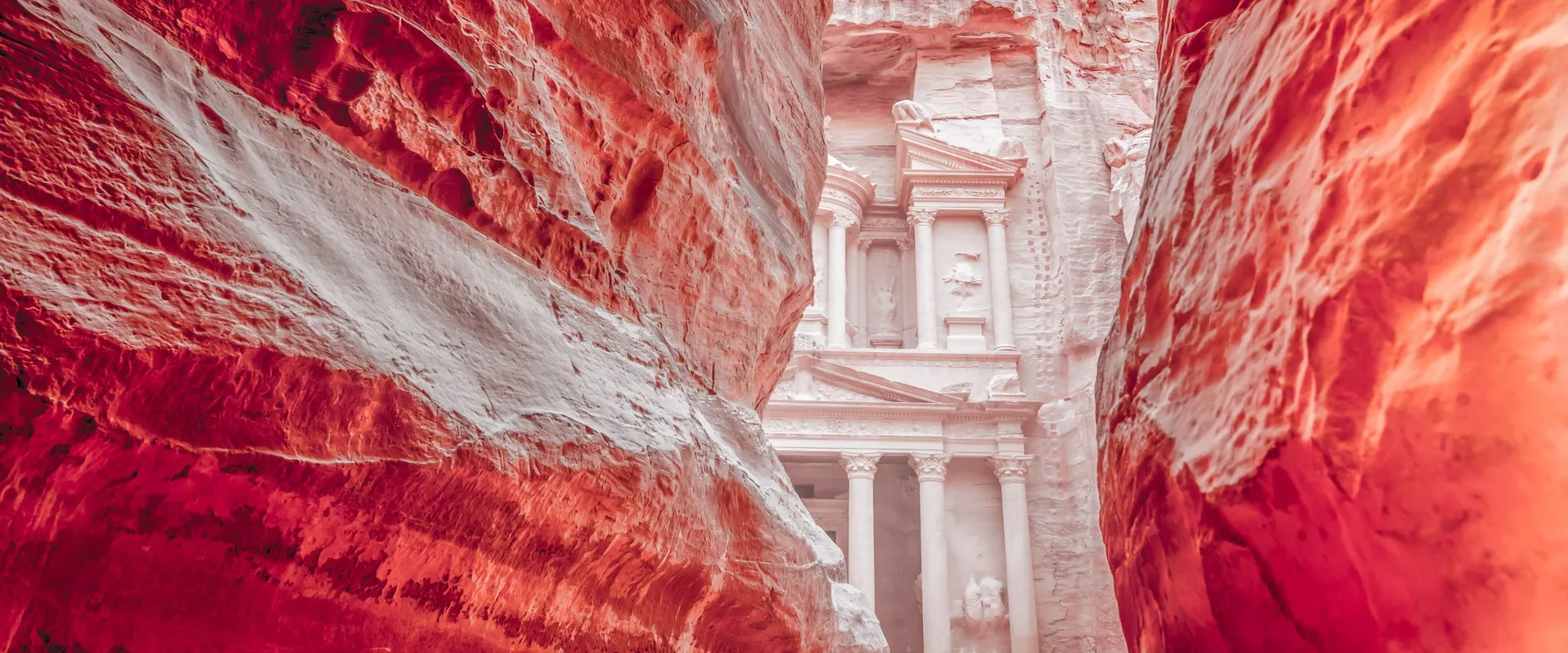
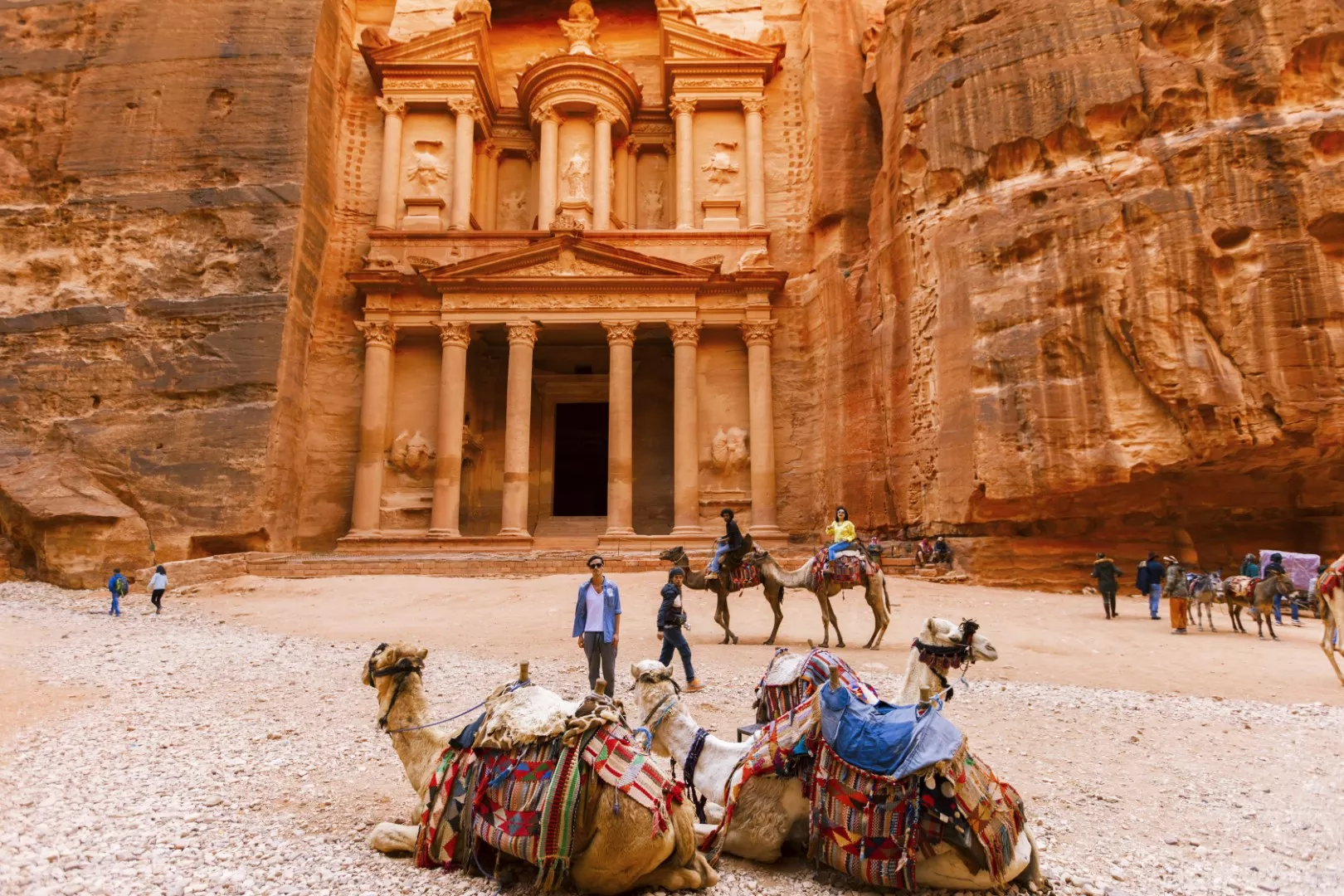
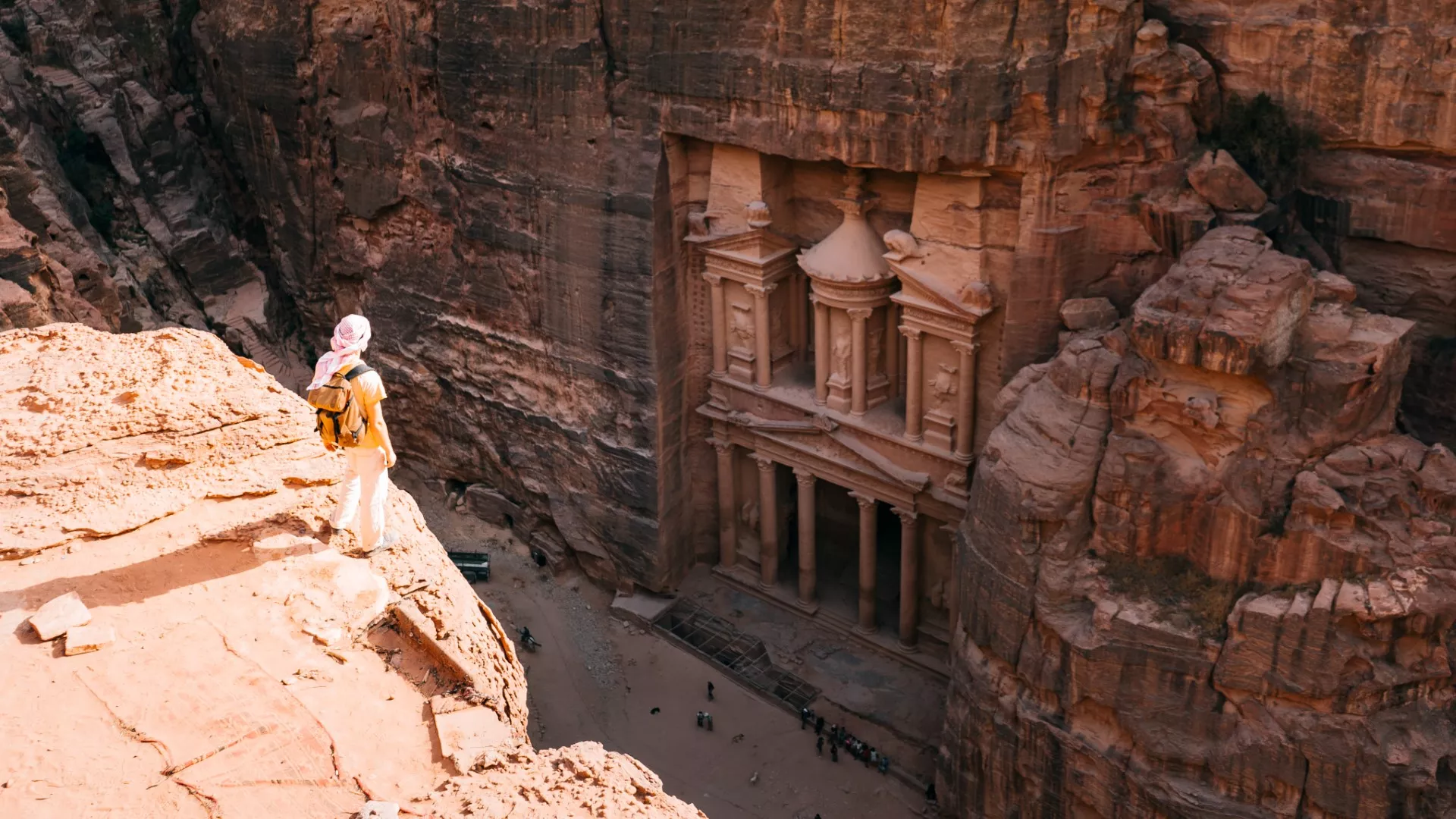
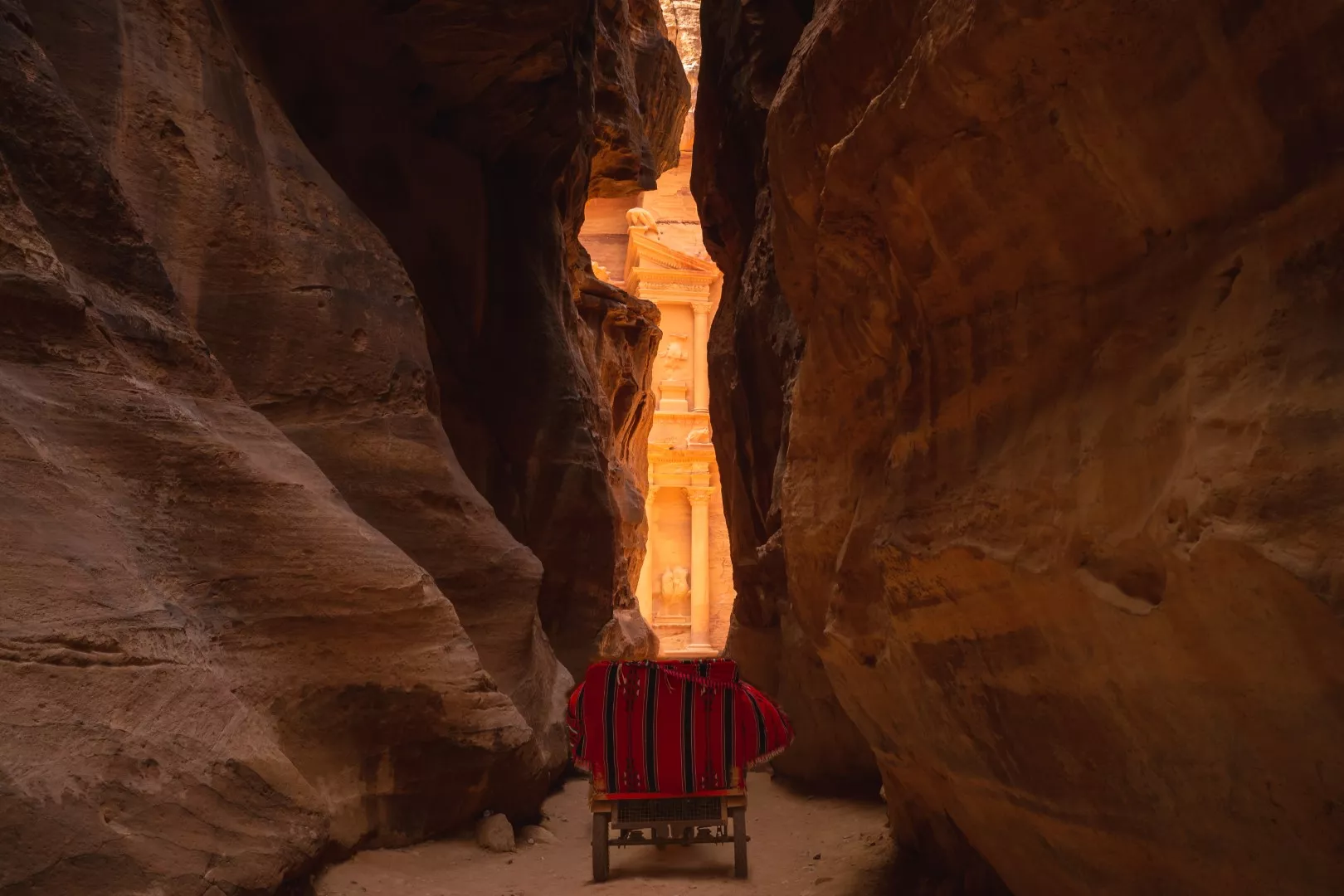
1. Walk the Siq to the Treasury at first light
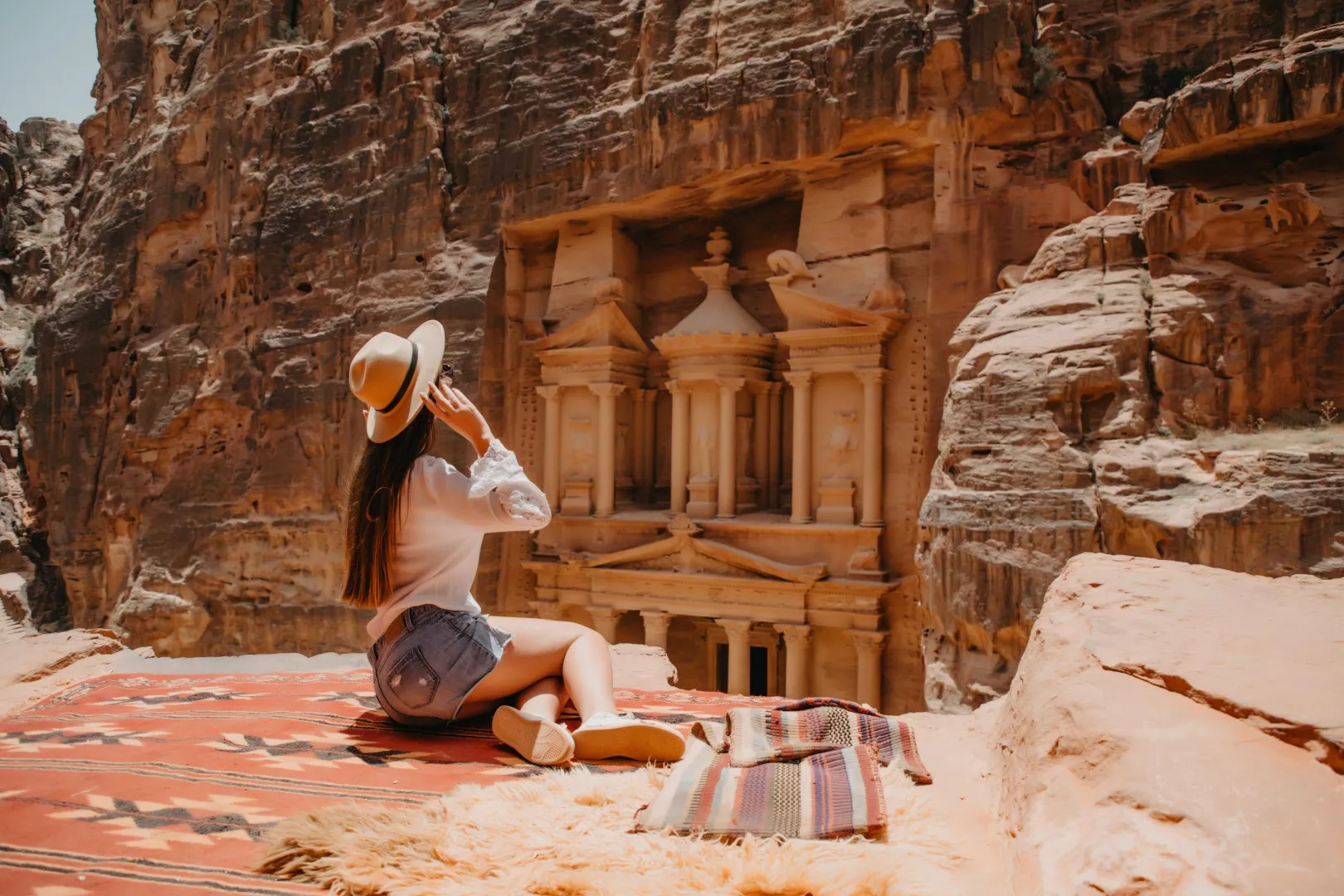
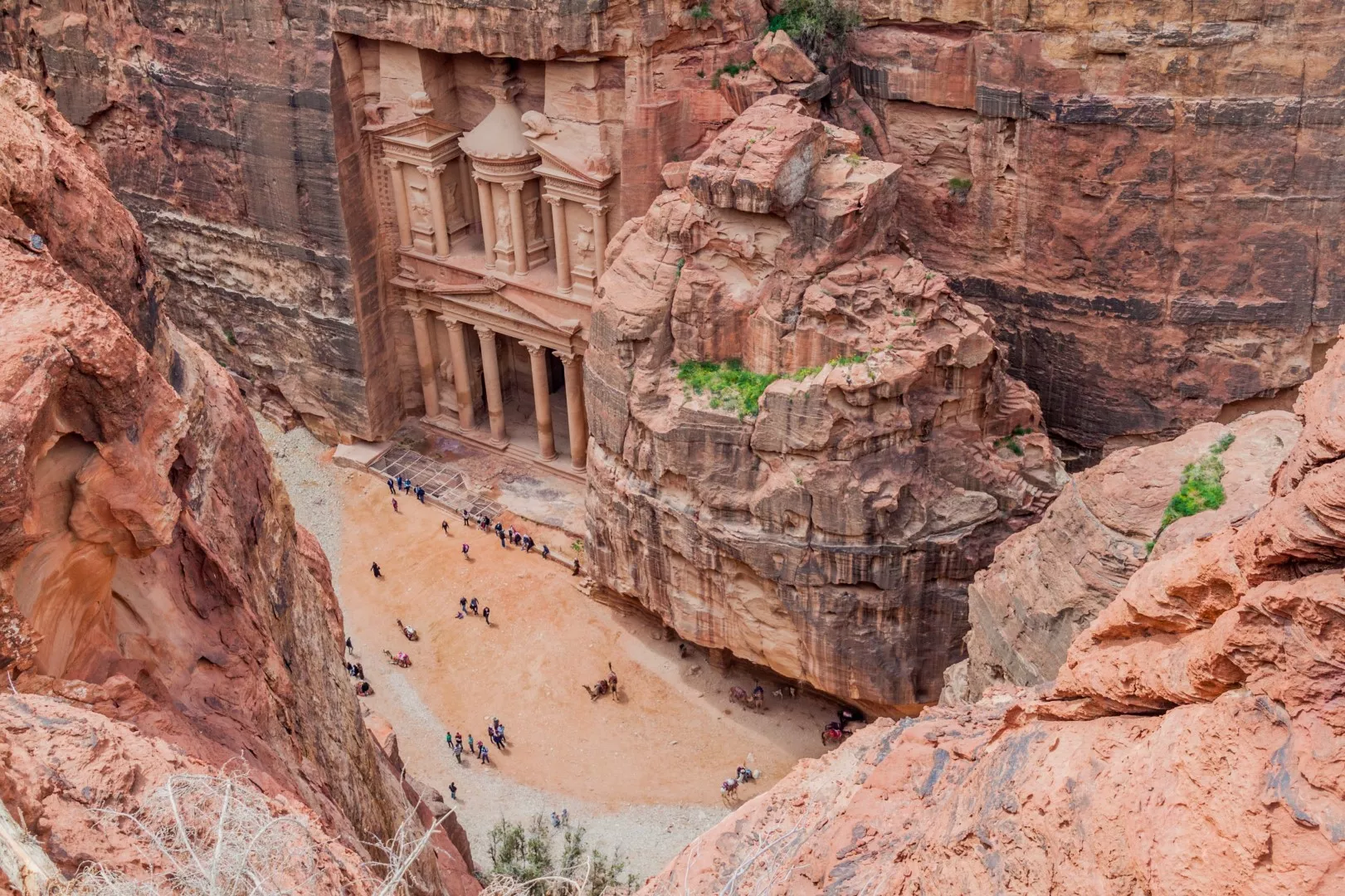
The Siq is the narrow gorge that runs almost a kilometer from the main gate to Al-Khazneh, the Treasury. The walls rise over 80 meters in places, and the path bends so the Treasury stays hidden until the final few steps. Arrive at opening, around 6am, and you get that reveal with thin crowds and soft light on the facade. By mid-morning the same spot is shoulder to shoulder. Take your time on the way in and read the water channels cut into the rock, the Nabataean engineering that made a desert city possible.
- Best time: at opening, around 6am, for light and space
- Duration: 30 to 45 minutes one way at a slow pace
- From: included with Petra entry, 50 JOD for one day
- Where: main visitor center to Al-Khazneh
2. Climb the 800 steps to the Monastery (Ad Deir)
The Monastery is bigger than the Treasury and far quieter, because the roughly 800 rock-cut steps filter out the crowds. The climb takes about 45 minutes at a steady pace, with Bedouin tea stalls along the way if you need a break. At the top, the facade of Ad Deir faces a small plateau, and a short walk past it leads to a viewpoint over Wadi Araba toward the Israeli border. Go in the late afternoon when the sandstone turns deep orange and most day-trippers have already left.
- Best time: late afternoon for light and fewer people
- Duration: 2 to 3 hours round trip from the basin
- From: included with Petra entry
- Where: far end of the site, past the Colonnaded Street
3. See the Royal Tombs in the afternoon glow
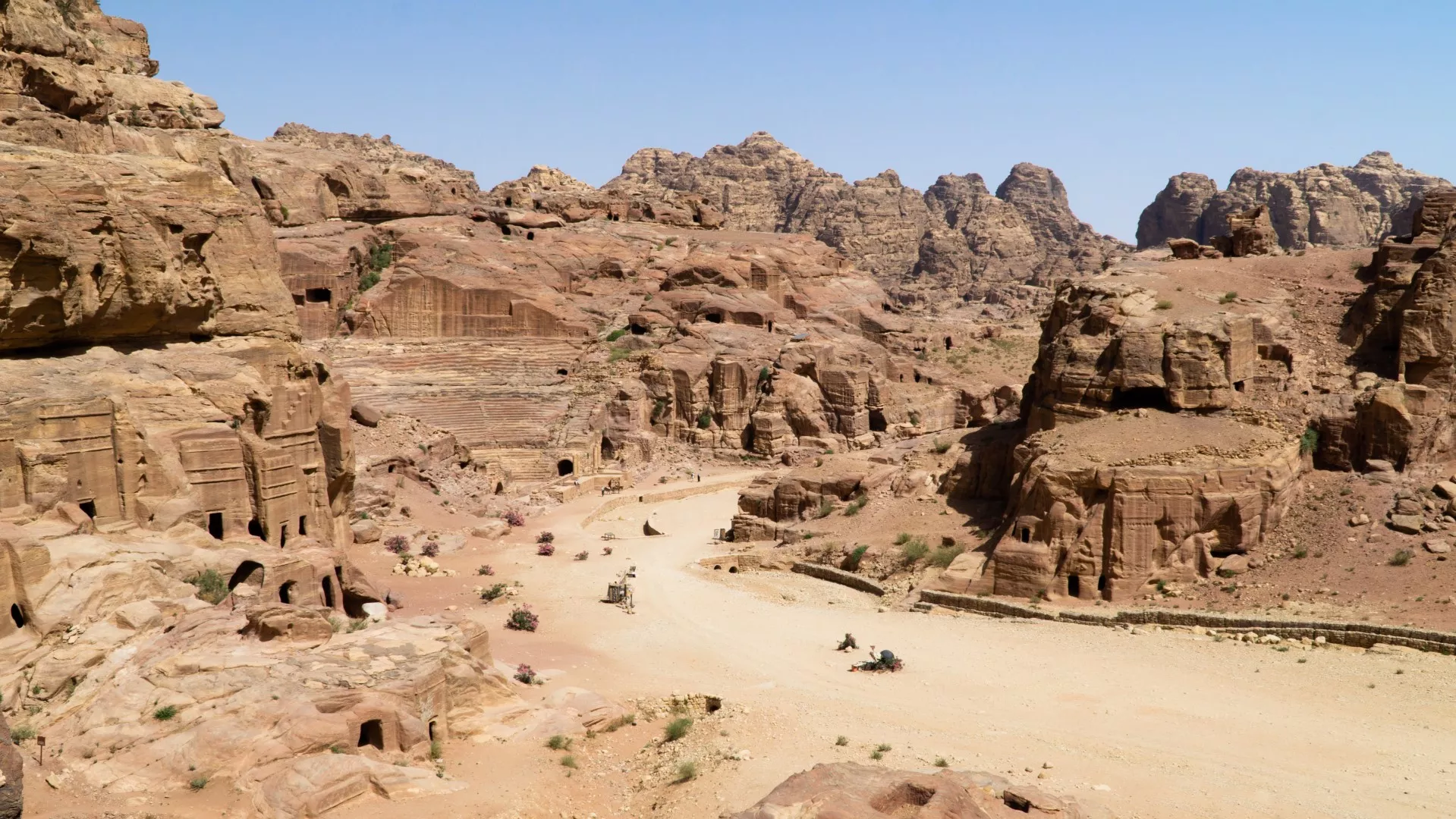
The Royal Tombs sit along the eastern cliff, a row of huge facades that include the Urn Tomb, the Silk Tomb, the Corinthian Tomb, and the Palace Tomb. The Silk Tomb is worth the climb for its banded sandstone, swirls of red, purple, and yellow that look almost painted. Late afternoon sun hits this whole wall straight on, which is when the colors are strongest. It is one of the best places in Petra to sit quietly for ten minutes and take in the scale of the place.
- Best time: 3pm to 5pm for direct light on the facades
- Duration: 45 to 60 minutes
- From: included with Petra entry
- Where: eastern cliff above the Colonnaded Street
4. Hike up to the High Place of Sacrifice
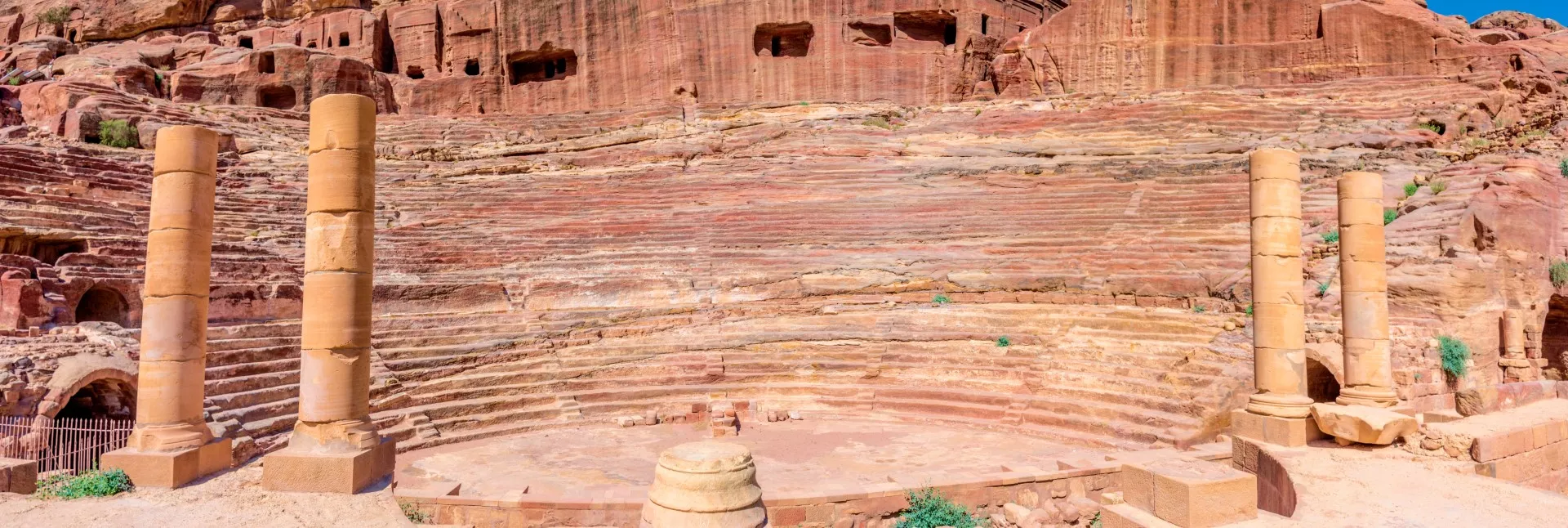
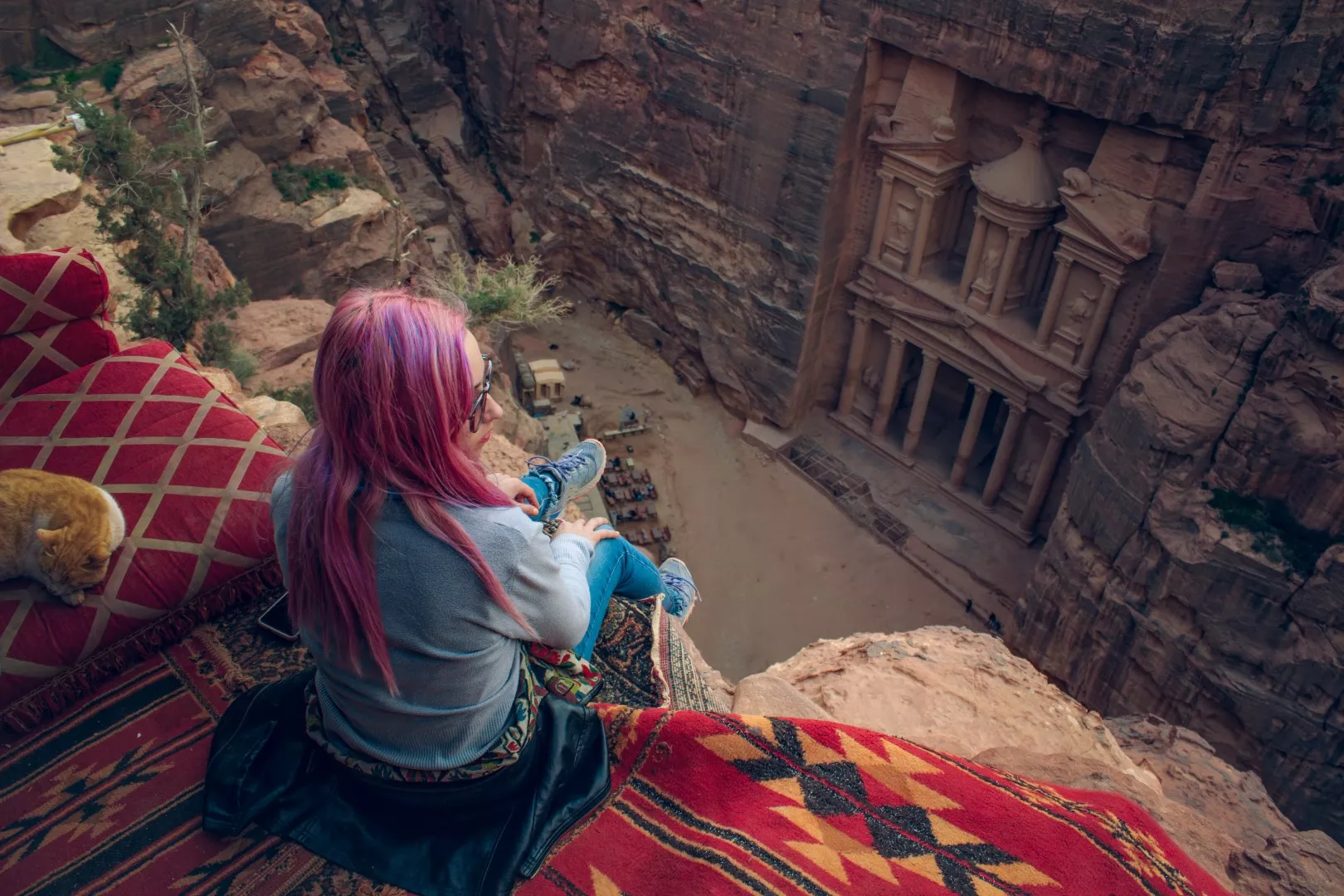
This is the trail most people skip, and it gives you the best overhead view of the whole valley. The path starts near the Theater and climbs to a Nabataean altar platform on the ridge. From the top you look down on the Royal Tombs and across to the mountains. Come down the back route past the Garden Tomb and the Lion Triclinium to loop back rather than retracing your steps. Plan 90 minutes and carry water, since there is no shade on the ridge.
- Best time: early morning before the heat
- Duration: 90 minutes to 2 hours for the loop
- From: included with Petra entry
- Where: trailhead near the Roman Theater
5. Experience Petra by Night by candlelight
On Monday, Wednesday, and Thursday evenings, the Siq and the Treasury are lit with around 1,500 candles. You walk the gorge in near-dark, then sit in front of Al-Khazneh for Bedouin music and tea. It is a separate ticket from the daytime entry and it does sell out in high season, so book ahead rather than at the gate. The walk back through the candlelit Siq is the part people remember most.
- Best time: Monday, Wednesday, Thursday, starts around 8:30pm
- Duration: about 2 hours
- From: 17 JOD, separate from daytime entry
- Where: starts at the main visitor center
Halfway through, here is the add-on most first-timers regret skipping
Petra and Wadi Rum sit about an hour apart, and pairing them turns a day trip into the best two days in Jordan. If you only do one add-on, make it a night in a desert camp under the stars.
6. Stay overnight in a Wadi Rum desert camp
About an hour south of Petra, Wadi Rum is a wide valley of red sand and granite that has stood in for Mars in more than one film. A jeep safari runs you between rock bridges, sand dunes, and Nabataean inscriptions, and an overnight in a Bedouin camp gives you some of the clearest night skies in the region. Book the camp and the transfer together so you are not arranging a 4x4 from the roadside. This is the natural second stop after a full Petra day.
- Best time: spring and autumn for comfortable nights
- Duration: overnight, with a jeep tour included
- From: around 60 JOD for camp plus safari
- Where: Wadi Rum protected area, 1 hour from Petra
7. Take a day trip to Petra from Aqaba
Aqaba on the Red Sea is the closest gateway, about 90 minutes by road. If you are diving or beach-basing in Aqaba, a Petra day trip is easy to slot in, leaving early and back by evening. A private transfer or guided day tour saves you the mountain driving and gets you to the gate at opening. It also works in reverse: see Petra first, then drop down to Aqaba for the reefs and a slower day on the water.
- Best time: leave Aqaba by 7am to beat the crowds
- Duration: full day, about 90 minutes each way
- From: varies by group size, private or shared
- Where: pickup from Aqaba hotels or the port
8. Visit Petra as a day trip from Amman or the Dead Sea
From Amman, Petra is about three hours on the Desert Highway, or longer and prettier on the King's Highway past Karak Castle and Wadi Mujib. The Dead Sea is roughly two and a half hours away. Both make doable long day trips, though an overnight near Petra is kinder if you want the Monastery and Petra by Night. A guided tour or private transfer removes the navigation and lets you take the scenic route without losing time.
- Best time: overnight near Petra if you can spare it
- Duration: 3 hours each way from Amman
- From: depends on private or shared transfer
- Where: pickup from Amman or Dead Sea resorts
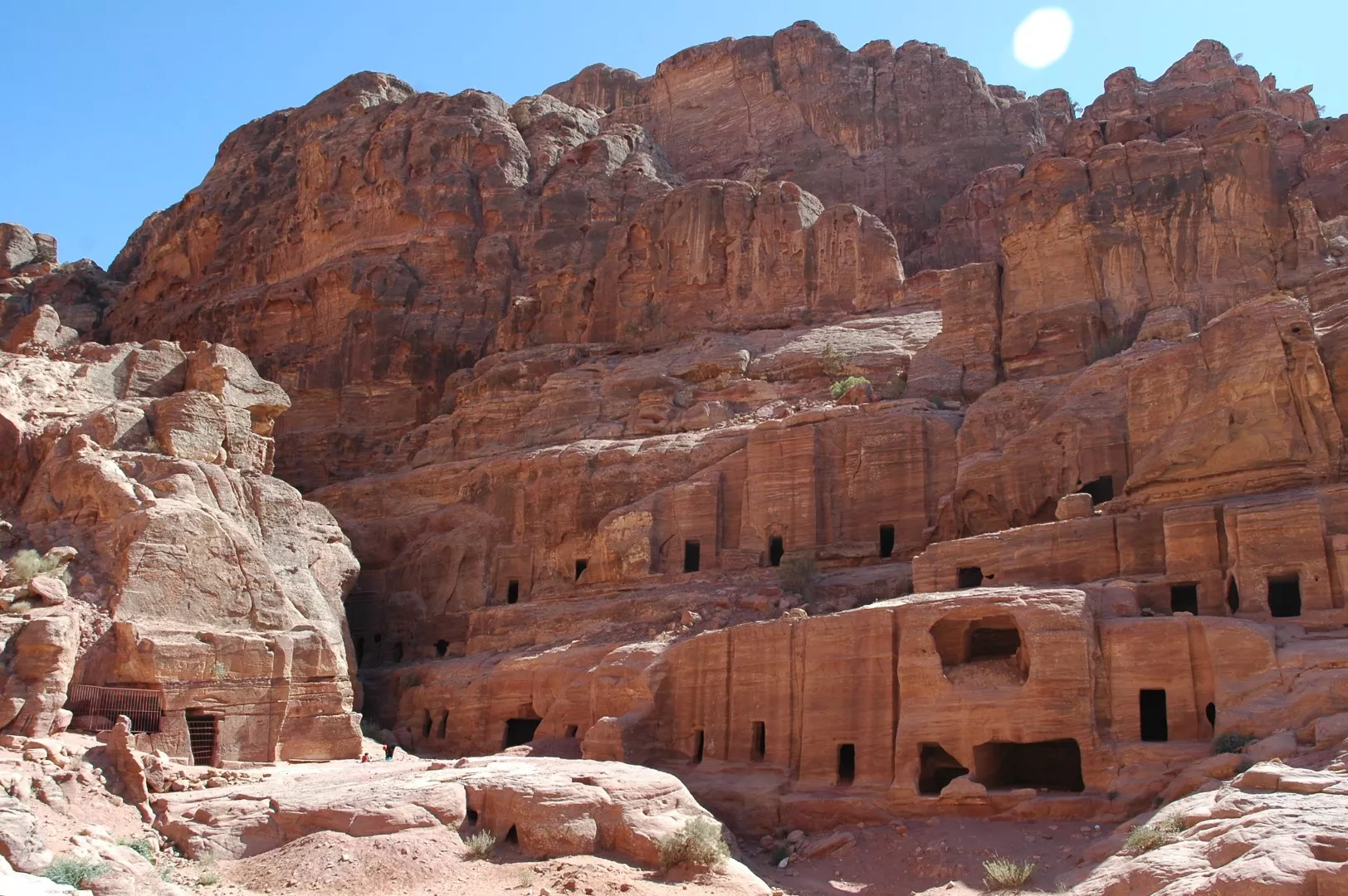
9. Explore Little Petra (Siq al-Barid)
About 15 minutes north of the main site, Little Petra is a compact canyon the Nabataeans used as a trading suburb. It is free, rarely busy, and takes under an hour to walk. Look for the painted Biclinium ceiling, one of the few surviving Nabataean frescoes. It pairs well with an early Petra start: do the main site at dawn, then come here in the quieter midday hours.
- Best time: midday, when the main site is busiest
- Duration: 45 minutes to an hour
- From: free entry
- Where: Siq al-Barid, 15 minutes north of Petra
10. Hike the back trail in from Little Petra
For walkers, the back route from Little Petra to the Monastery is one of the best half-day hikes in Jordan. It runs about 8 kilometers through open sandstone country and brings you out at Ad Deir from above, a very different arrival than the standard climb. You need a local guide for this one, both for the route and for the protected-area rules. It is worth it for the silence and the approach almost no day visitors take.
- Best time: cool morning start, October to April
- Duration: 3 to 4 hours one way
- From: guided only, price by group
- Where: starts at Little Petra, ends at the Monastery
11. Try Bedouin food and mansaf near the site
Wadi Musa, the town at Petra's gate, is where you eat after a long day on your feet. Mansaf, lamb cooked in fermented dried yogurt over rice, is the national dish and worth ordering at least once. Smaller spots do fresh flatbread, hummus, and grilled meats, and the tea is strong and sweet. After 800 steps to the Monastery, a proper sit-down meal feels earned.
- Best time: dinner, after the site closes
- Duration: a relaxed 1 to 2 hours
- From: budget to mid-range in Wadi Musa
- Where: Wadi Musa town, walking distance from most hotels
12. Build a multi-day Jordan route around Petra
Petra works best as the centerpiece, not a one-off stop. A classic five-day route runs Amman, the Dead Sea, Petra, Wadi Rum, then Aqaba, with the King's Highway castles along the way. Booking the transfers and entries in one go means your dates are locked before high season fills the camps and the Petra by Night slots. If you are short on time, Petra plus a Wadi Rum night is the highest-value two days in the country.
- Best time: March to May or September to November
- Duration: 2 to 5 days depending on the route
- From: bundle entries, camps, and transfers together
- Where: Amman, Dead Sea, Petra, Wadi Rum, Aqaba
Plan your Petra trip
Best time to visit
March to May and September to November are the best months, with mild days for walking the Siq and climbing to the Monastery. Summer midday heat is intense, so start at opening. Winter is cold and can bring rain, but the crowds thin out.
How to get around
Petra itself is on foot. From the main gateways, Aqaba is about 90 minutes, Amman roughly three hours, and the Dead Sea around two and a half. Private transfers and guided day tours run from all three and save the mountain driving.
Where to stay
Wadi Musa is the town at the gate, with hotels at every budget within walking distance of the visitor center. For the desert add-on, a Wadi Rum camp puts you an hour south under clear night skies.
Frequently asked questions
How many days do you need in Petra?
One full day covers the Treasury, the Royal Tombs, and the Monastery if you start at opening. Two days lets you add Petra by Night, the High Place of Sacrifice, and Little Petra without rushing. Most first-time visitors underestimate the walking distances.
What is the best time of year to visit Petra?
March to May and September to November are ideal, with mild temperatures for the long walks. Summer is very hot at midday, so go early. Winter is quiet but cold and occasionally wet.
How much does Petra entry cost?
A one-day ticket is 50 JOD, with two and three-day options available. If you are also getting a tourist visa, the Jordan Pass bundles Petra entry with the visa waiver and other sites and usually pays for itself over a two-night stay.
Do you need to book Petra by Night in advance?
Yes in high season. Petra by Night runs Monday, Wednesday, and Thursday, costs 17 JOD, and is separate from the daytime ticket. It sells out, so reserve ahead rather than at the gate.
How do you get to Petra from Amman or Aqaba?
Aqaba is about 90 minutes away, Amman roughly three hours, and the Dead Sea around two and a half. Guided day tours and private transfers run from all three, which removes the mountain driving and gets you to the gate at opening.
Can you visit Petra and Wadi Rum together?
Easily. Wadi Rum is about an hour south of Petra, and an overnight desert camp with a jeep safari is the most popular add-on. Booking the camp and transfer together keeps the logistics simple.
What currency is used in Petra?
The Jordanian dinar (JOD). Cards work for tickets and hotels, but Bedouin stalls, tea stops, and donkey or camel rides inside the site are cash only. Keep small notes for tips and agree any ride price first.
Ready to book your 2026 Petra trip?
The Petra by Night slots and Wadi Rum camps are the first things to fill in spring and autumn. Lock in your dates now, and add the transfers and entries in one checkout so nothing sells out from under you.
See all Petra tours and tickets