Dubai
Is a glamorous playground
See all tours in Dubai
Usefull tips
Burj Al Arab
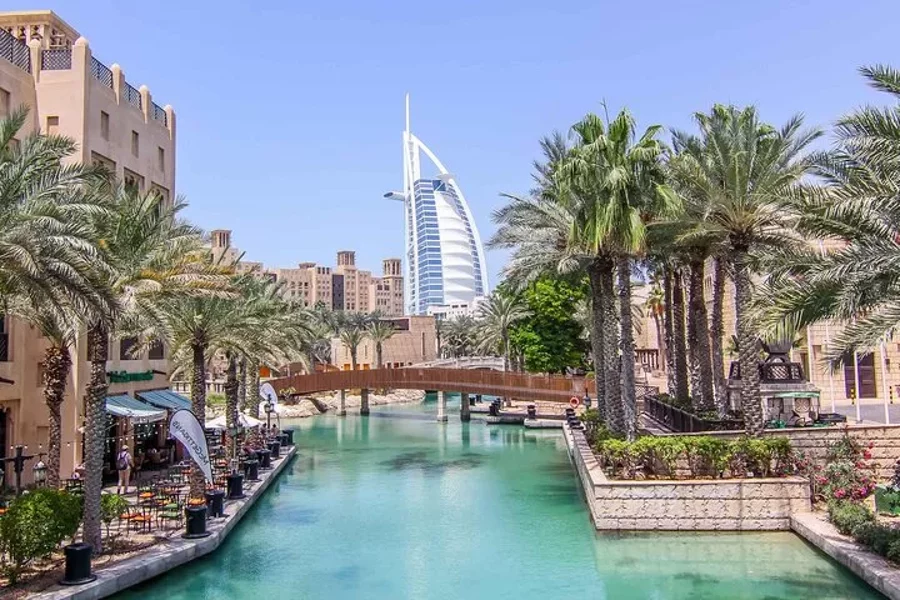
The Burj's graceful silhouette – meant to evoke the sail of a dhow (a traditional wooden cargo vessel) – is to Dubai what the Eiffel Tower is to Paris. Completed in 1999, this iconic landmark sits on an artificial island and comes with its own helipad and a fleet of chauffeur-driven Rolls Royce limousines. Beyond the striking lobby, with its gold-leaf opulence and attention-grabbing fountain, lie 202 suites with more trimmings than a Christmas turkey.
Al Fahidi Historic District
Traffic fades to a quiet hum in the labyrinthine lanes of this nicely restored heritage area formerly known as the Bastakiya Quarter. Its narrow walking lanes are flanked by sand-coloured houses topped with wind towers, which provide natural air-conditioning. Today there are about 50 buildings containing museums, craft shops, cultural exhibits, courtyard cafes, art galleries and two boutique hotels.
Burj Khalifa
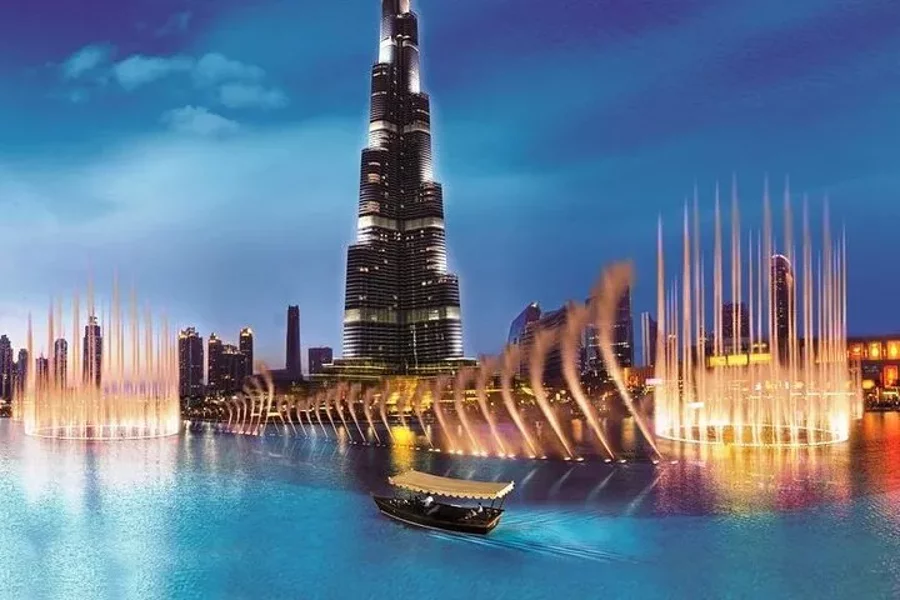
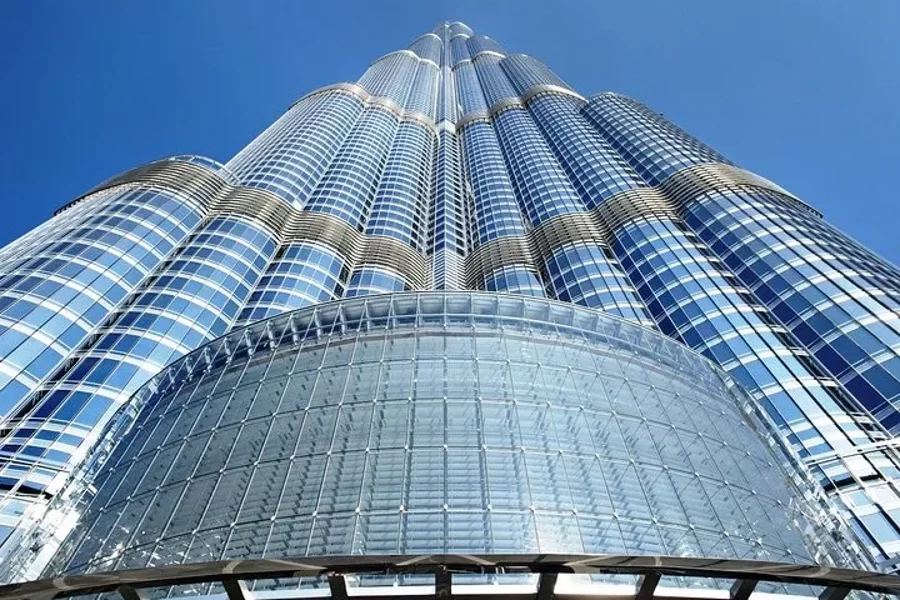
The Burj Khalifa is a stunning feat of architecture and engineering, with two observation decks on the 124th and 148th floors and a restaurant-bar on the 122nd. The world’s tallest building pierces the sky at 828m and opened in January 2010, six years after excavations began. To avoid wait times or expensive fast-track admission, book tickets online as far as 30 days in advance. Note that high humidity often cloaks Dubai in a dense haze, making views less than breathtaking.
Gold Souq
All that glitters is gold (and occasionally silver) along this covered arcade where dozens of shops overflow with every kind of jewellery imaginable, from delicate pearl earrings to lavish golden wedding necklaces. Simply watching the goings-on is a treat. Settle down on a bench and take in the lively street theatre of hard-working Afghan men dragging heavy carts of goods, African women in colourful kaftans and local women out on a shopping spree. It's liveliest in the evening.