Things to Do in Tbilisi: 10 Georgian Adventures for 2026 Tbilisi, Georgia


Things to Do in Tbilisi 2026 | BookingRadar
Things to Do in Tbilisi: 10 Experiences for Your 2026 Trip
Tbilisi has a way of catching you off guard. One moment you are walking past a crumbling balcony with laundry flapping in the wind, and the next you are inside a glass footbridge that lights up at night. I spent two weeks here last spring, and I still think about the smell of fresh khachapuri drifting down narrow cobbled streets. If you are planning a 2026 visit, the Georgian capital rewards travelers who slow down and wander.
This guide covers the best things to do in Tbilisi, from sulfur baths carved into the hillside to flea markets where you can haggle over Soviet-era cameras. I have included practical tips on timing, prices, and how to get around. Whether you have three days or a full week, these ten experiences will help you build an itinerary that feels full without feeling rushed.
1. Soak in the Sulfur Baths at Abanotubani
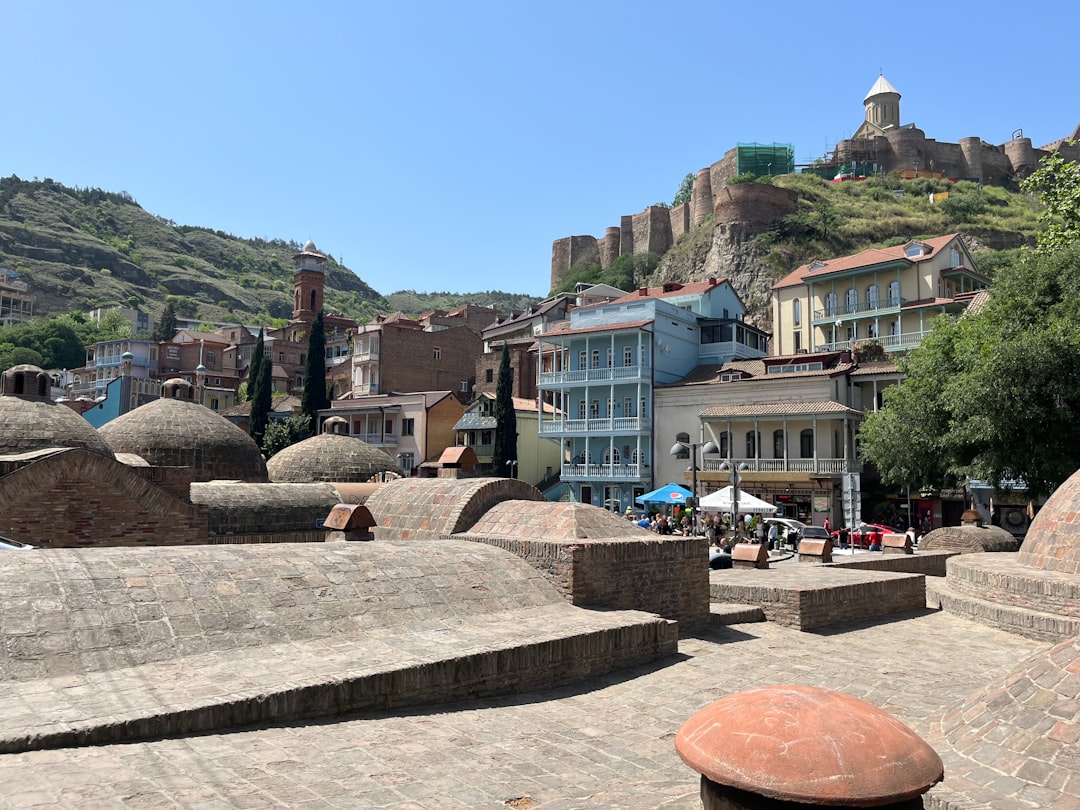
The brick-domed bathhouses of Abanotubani are one of the oldest parts of Tbilisi, and legend says the city was founded here because of the hot springs. The sulfur water rises naturally from the ground at around 40 degrees Celsius, and it is rumored to help with sore muscles and skin conditions. I booked a private room at Chreli Abano and walked out feeling like a new person.
Private rooms are the way to go if you want privacy, though the public baths are cheaper and still a solid experience. Bring flip flops and expect a no-frills scrub from an attendant if you add that option. It is an unusual way to start a trip, but it sets the tone for everything else in the city.
- Best time: Morning or late evening
- Duration: 60 to 90 minutes
- From: 60 GEL public, 150 GEL private
- Where: Abanotubani district, Old Town
Browse more Tbilisi experiences
2. Climb Up to Narikala Fortress
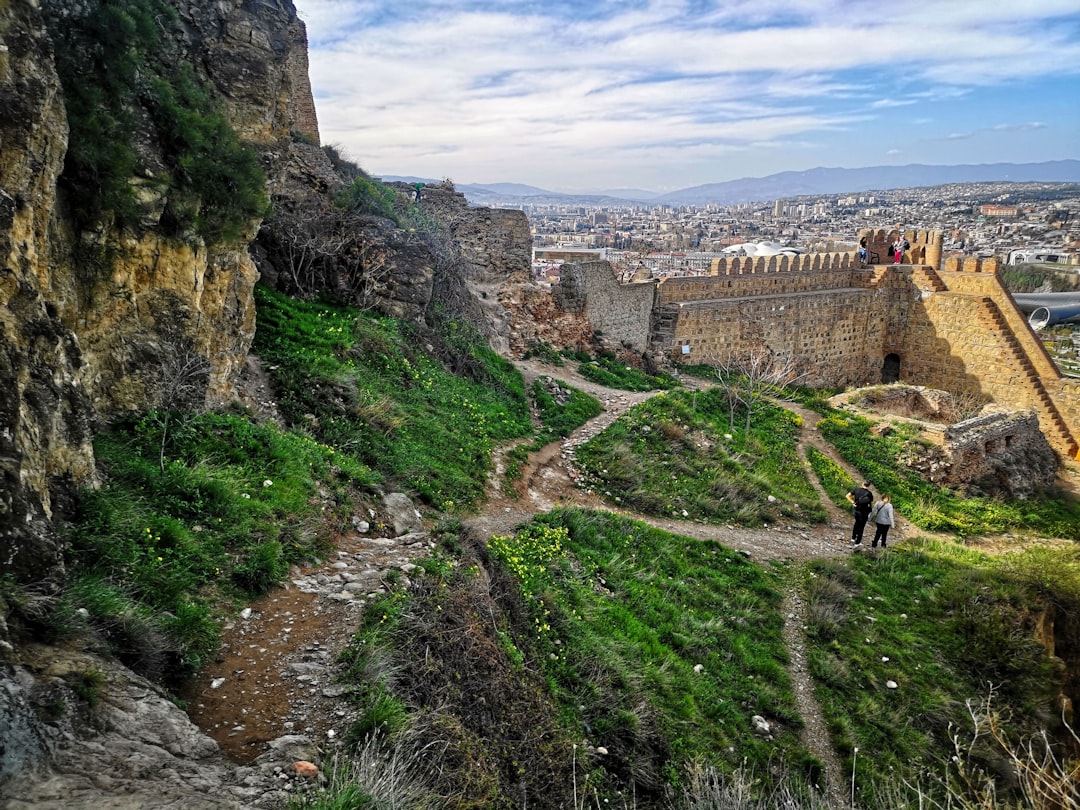
Narikala Fortress has stood watch over Tbilisi for more than 1,500 years, and it is still the best place to understand the shape of the city. You can hike up from the Old Town in about 20 minutes, or take the cable car from Rike Park for a smoother ride. The views over the Mtkvari River and the red-roofed houses below are worth every step.
Inside the fortress walls you will find the small St Nicholas Church, rebuilt in the 1990s. Next to Narikala stands the Kartlis Deda statue, a tall aluminum woman holding a sword in one hand and a wine bowl in the other. The symbolism says a lot about Georgian hospitality and defense all at once.
- Best time: Late afternoon for sunset
- Duration: 1 to 2 hours
- From: Free entry, 2.5 GEL cable car
- Where: Sololaki Hill, Old Town
See Tbilisi viewpoints and hikes
3. Wander the Streets of Old Town
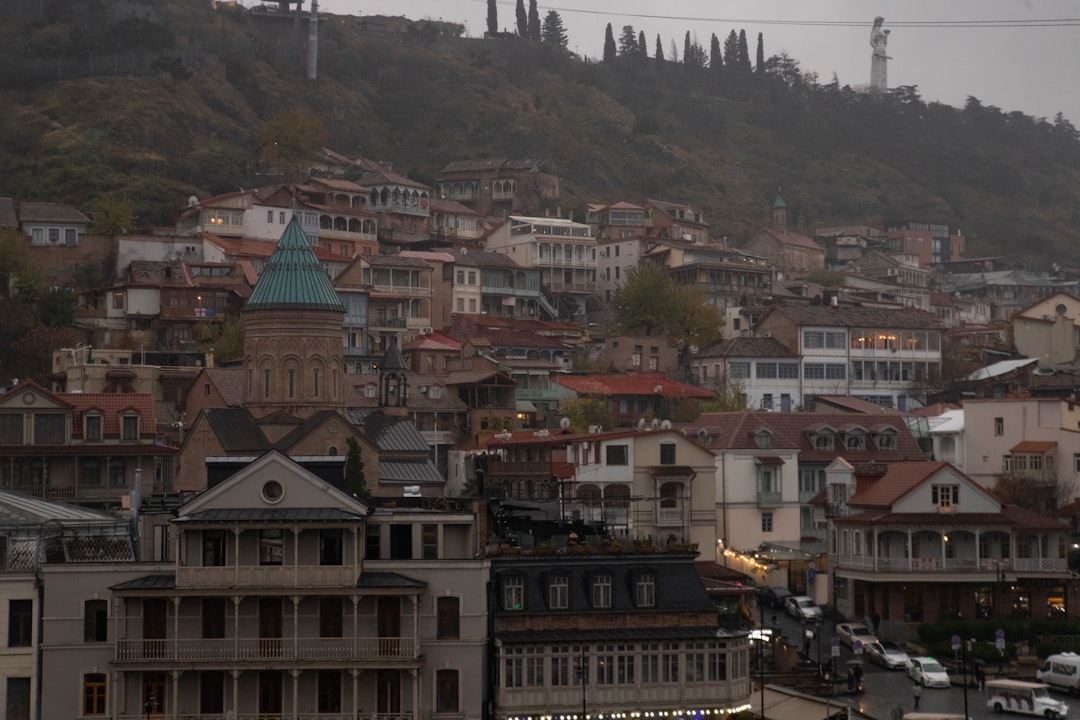
Tbilisi Old Town, known locally as Kala, is where the city wears its history on its sleeve. Crooked wooden balconies hang over narrow lanes, and every other corner hides a small church or a hole-in-the-wall wine bar. I recommend starting near Meidan Square and letting yourself get a little lost.
Keep an eye out for the leaning clock tower at the Gabriadze Theater, which chimes every hour with a small puppet show. The streets here can be steep and uneven, so wear shoes with grip. Stop for coffee in a courtyard and watch the neighborhood cats claim their favorite sunny spots.
- Best time: Morning for fewer crowds
- Duration: Half a day
- From: Free
- Where: Kala district, central Tbilisi
Find boutique stays in Old Town
4. Stroll Along Rustaveli Avenue
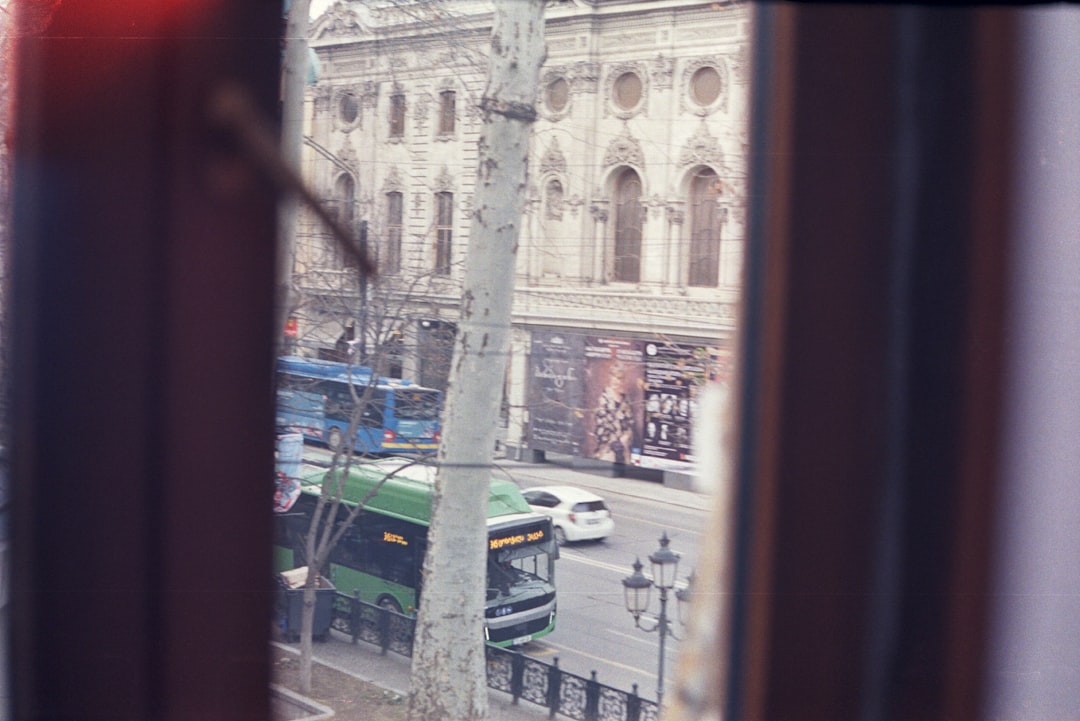
Rustaveli Avenue is the main artery of modern Tbilisi, stretching about 1.5 kilometers from Freedom Square to Rustaveli metro station. The wide boulevard is lined with plane trees, grand 19th-century buildings, the opera house, and the Georgian National Museum. It is the cultural spine of the city and a good place to feel the pulse of daily life.
Pop into the National Museum to see the gold jewelry from Vani and the sobering Soviet occupation exhibit on the top floor. If you have time, grab a ticket for an evening performance at the opera house. The avenue is also where most public protests and celebrations happen, so do not be surprised if you stumble onto a rally or parade.
- Best time: Anytime, evenings for atmosphere
- Duration: 2 to 3 hours
- From: 15 GEL museum entry
- Where: Central Tbilisi
5. Hunt for Treasures at Dry Bridge Market

The Dry Bridge Market is an open-air flea market where vendors sell everything from Soviet medals and film cameras to vintage silver and handmade paintings. It runs daily along the bridge and spills into the adjacent park. This was my favorite morning activity, partly because of the people-watching and partly because I walked away with an old brass coffee pot for 40 GEL.
Cash is king here, and gentle haggling is expected. Do not be shy about asking the story behind an object. Many sellers are older locals happy to chat about where a piece came from, which adds a layer of meaning to anything you bring home.
- Best time: Weekend mornings
- Duration: 1 to 2 hours
- From: Free to browse
- Where: Dry Bridge, near Saarbrucken Square
Discover more Tbilisi shopping
From Market Finds to Mountain Views
After a morning of haggling at Dry Bridge, it is time to shift gears. The second half of this guide leans into food, faith, and day trips, which is really where Tbilisi opens up. The city sits at a crossroads of cultures, and you can taste that in the cooking and see it in the churches that stretch back more than a thousand years. Lace up comfortable shoes and keep your appetite ready.
6. Taste Khachapuri and Khinkali at a Local Tavern

You cannot leave Tbilisi without trying khachapuri, the cheese-filled bread that comes in several regional styles. The Adjarian version is shaped like a boat and topped with an egg and butter, meant to be mixed and torn apart by hand. Pair it with khinkali, twisted soup dumplings that you hold by the top knot and eat in a few quick bites.
Head to Shavi Lomi, Barbarestan, or Cafe Littera for a refined take, or try smaller spots like Salobie Bia for classic comfort food. A full meal with wine rarely tops 80 GEL per person. Tipping around 10 percent is appreciated but not always expected.
- Best time: Lunch or dinner
- Duration: 90 minutes
- From: 40 GEL per meal
- Where: Various, Old Town and Vera
See Tbilisi food tours and tastings
7. Visit the Holy Trinity Cathedral
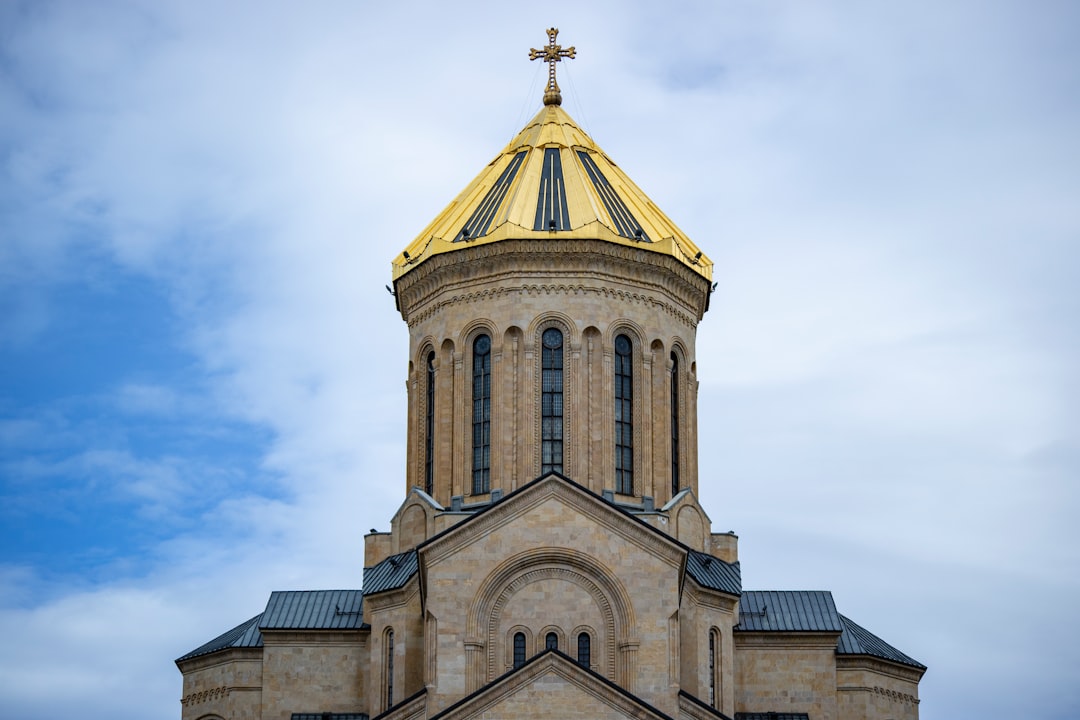
Holy Trinity Cathedral, known as Sameba, is the largest Orthodox cathedral in Georgia. It was finished in 2004 and sits on Elia Hill, visible from almost anywhere in the city. The gold-domed interior is covered in icons and frescoes, and the incense-heavy air gives it a quiet, reverent feeling.
Cover your shoulders and knees, and women should wear a headscarf to enter. Services can be long but beautiful to witness, with chanted hymns that fill the massive space. The surrounding gardens are worth a slow walk, especially in spring when the roses are in bloom.
- Best time: Mid-morning
- Duration: 45 minutes
- From: Free
- Where: Elia Hill, Avlabari district
Find more Tbilisi cultural sites
8. Day Trip to Ancient Mtskheta
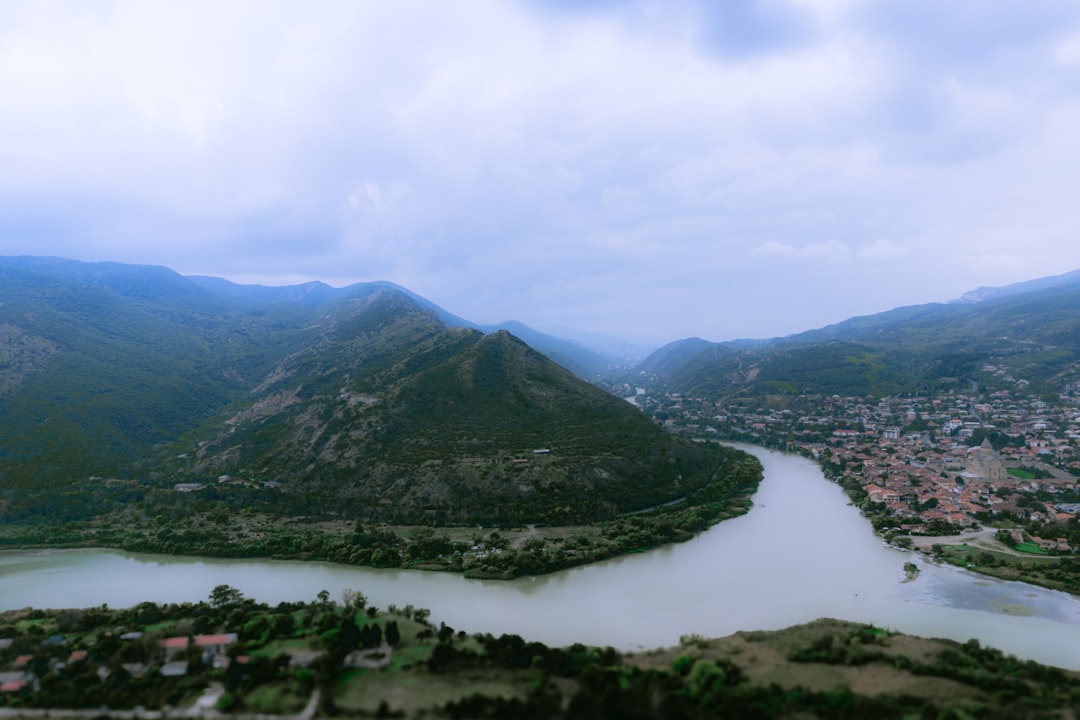
Mtskheta sits just 20 kilometers north of Tbilisi and served as the capital of Georgia for nearly a thousand years. It is a UNESCO World Heritage site and home to Svetitskhoveli Cathedral, where the robe of Christ is said to be buried. Up on the hill above town, the sixth-century Jvari Monastery has views of two rivers meeting.
You can reach Mtskheta by marshrutka from Didube station for about 2 GEL, or hire a taxi for 50 to 70 GEL round trip. Plan on half a day, and pair it with a late lunch at Salobie, a roadside spot famous for its lobio (bean stew) and shoti bread.
- Best time: Morning departure
- Duration: Half day
- From: 2 GEL marshrutka
- Where: Mtskheta, 20 km north
9. Sip Natural Wine in a Qvevri Cellar
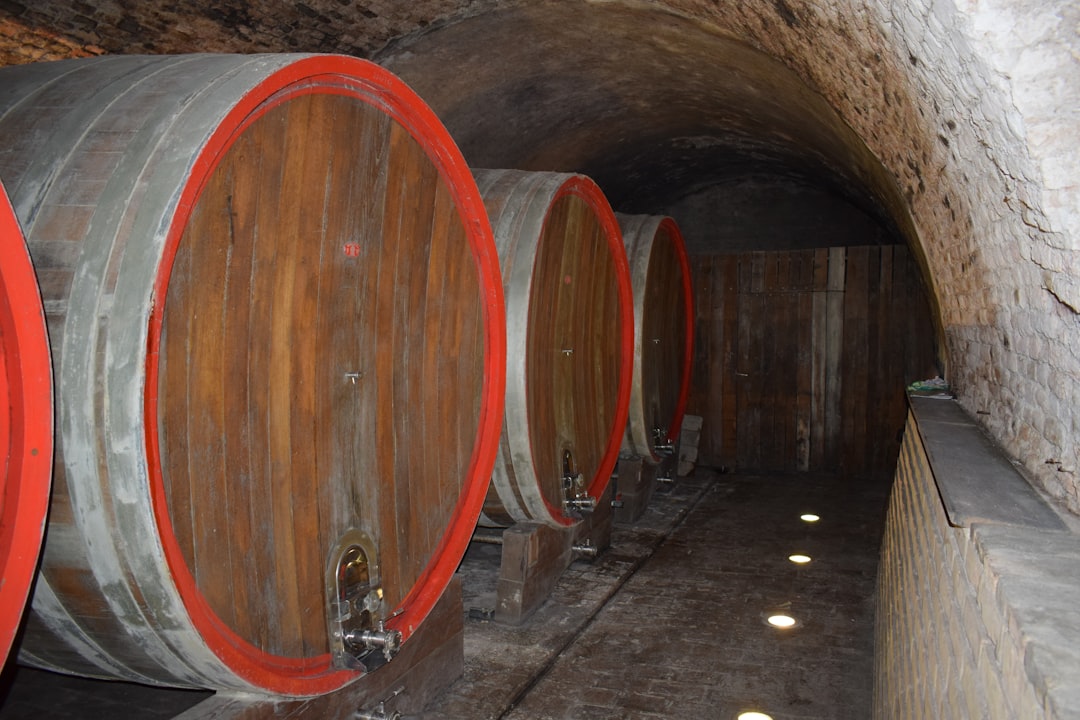
Georgia is the birthplace of wine, with a tradition that goes back 8,000 years. The traditional method involves fermenting grapes in large clay vessels called qvevri, buried underground. Tbilisi has dozens of wine bars where you can taste amber wines, dry reds from Saperavi grapes, and semi-sweet varieties from Kakheti.
I loved the flights at 8000 Vintages and Vino Underground, where flights start around 30 GEL. For a deeper experience, book a tasting at a small cellar like Pheasant Tears in the city or head to a vineyard outside town. Bring home a bottle or two, since Georgian wine is still hard to find outside the region.
- Best time: Evening
- Duration: 90 minutes
- From: 30 GEL per flight
- Where: Various wine bars citywide
Plan a Georgian wine experience
10. Ride the Cable Car to Mtatsminda Park

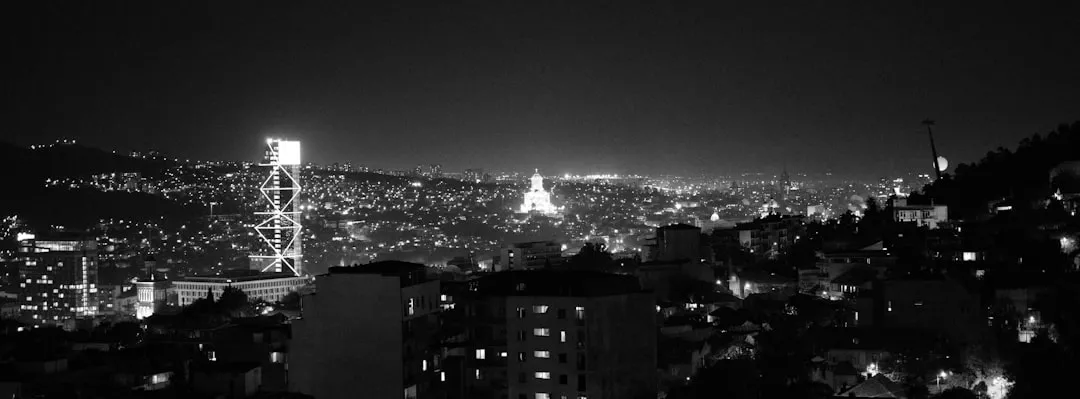
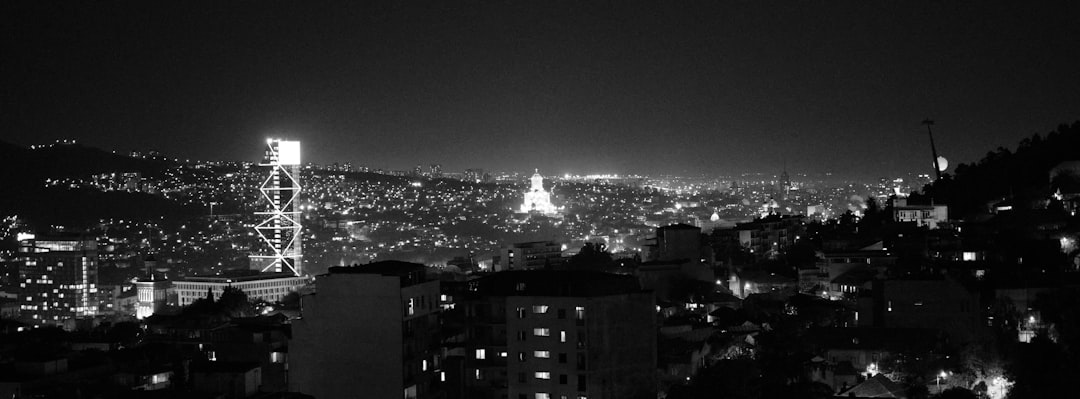
Mtatsminda Park sits at the top of the mountain that looms over Tbilisi and offers the widest view in the city. You can reach it by the historic funicular from Chonkadze Street, which has been running since 1905. At the top you will find a small amusement park, a Ferris wheel, restaurants, and wide terraces for sunset photos.
The ride itself is part of the fun, climbing steeply through trees with the city spreading out below. I suggest going about an hour before sunset, grabbing a drink at the terrace cafe, and staying until the lights come on across Tbilisi. It is a fitting way to wrap up a trip and say goodbye to the city.
- Best time: One hour before sunset
- Duration: 2 to 3 hours
- From: 8 GEL funicular
- Where: Mtatsminda Mountain
Explore more Tbilisi viewpoints
Plan your Tbilisi trip
Best time to visit
May, June, and September are the sweet spots for Tbilisi in 2026, with mild temperatures between 18 and 26 degrees Celsius. July and August can hit 35 degrees, and winter brings cold rain and occasional snow. Autumn wine season in late September is especially lovely.
How to get around
The Tbilisi metro has two lines and costs 1 GEL per ride with a MetroMoney card. Yandex Go and Bolt ride-hailing apps are cheap and reliable, with most city rides under 10 GEL. Old Town is best explored on foot, though bring good shoes for the steep cobblestones.
Where to stay
Stay in Sololaki or Old Town for atmosphere and walkability, Vera for a quieter residential feel, or Vake for modern cafes and parks. Budget hostels start around 40 GEL a night, mid-range guesthouses run 150 to 300 GEL, and boutique hotels like Stamba or Rooms Hotel go upward from there.
What to pack
Pack layers even in summer since mornings can be cool, comfortable walking shoes with good grip, a reusable water bottle, and flip flops for the sulfur baths. A light rain jacket is smart in spring and autumn, and modest clothing helps when visiting churches and monasteries.
Frequently asked questions
Is Tbilisi safe for tourists in 2026?
Yes, Tbilisi is considered one of the safer capitals in the region. Violent crime against tourists is rare, though watch for pickpockets in busy metro stations and tourist areas. Solo female travelers generally report feeling comfortable, especially in central districts.
How many days do I need in Tbilisi?
Three full days is enough to cover the main things to do in Tbilisi, including Old Town, Narikala Fortress, and the sulfur baths. Add two more days if you want to take day trips to Mtskheta, Kazbegi, or the Kakheti wine region.
Do I need a visa to visit Georgia?
Citizens of more than 90 countries, including the US, UK, EU, Canada, and Australia, can enter Georgia visa free for up to 365 days. Always check your specific nationality requirements before booking, since policies can change.
What currency is used in Tbilisi and is it card friendly?
The Georgian lari (GEL) is the local currency. Cards are widely accepted in restaurants, hotels, and larger shops, but keep cash for markets, taxis, and smaller family-run spots. ATMs are easy to find across the city.
Is English widely spoken in Tbilisi?
Younger Georgians in tourism and hospitality usually speak solid English. Older generations often lean on Russian. Menus in the city center typically have English translations, and Google Translate works well for the rest.
What is the food like in Tbilisi?
Georgian cuisine is hearty and flavorful. Expect khachapuri (cheese bread), khinkali (soup dumplings), grilled meats, walnut-based sauces, and plenty of fresh herbs. Vegetarian options are abundant thanks to traditional fasting dishes with beans, eggplant, and spinach.
Can I drink the tap water in Tbilisi?
Tap water in Tbilisi is generally safe to drink and comes from natural mountain springs. Many locals drink it straight from the tap. If you have a sensitive stomach, stick to bottled water for the first couple of days.
What are the best day trips from Tbilisi?
Mtskheta, the ancient spiritual capital, is only 25 minutes away. Kazbegi in the Caucasus mountains takes about three hours and offers dramatic hiking. Sighnaghi and the Kakheti wine region are perfect for a full-day food and wine trip.
Ready to Book Your Tbilisi Adventure?
Tbilisi rewards travelers who show up curious and leave room in their schedule for detours. From sulfur baths and flea markets to wine cellars in the hills outside the city, there is a version of this trip for every kind of traveler. Start planning your 2026 visit with BookingRadar and build the itinerary that fits you best.