10 Unforgettable Things to Do in Seville in 2026: A Local Guide
Seville in 2026 still feels like the warmest city in Spain, and I mean that in every sense. Between the orange blossom on the air in March, the Moorish tilework in the Alcazar, and the sound of a guitar drifting out of a bar in Triana at midnight, the Andalusian capital wraps you up fast. I have visited four times and still find new corners every trip, which is why this list focuses on what actually delivers.
Below are 10 things to do in Seville that I would plan a trip around, plus practical notes on timing, prices, and where to stay. Whether you have a long weekend or a full week, this guide balances the headline sights with the food, music, and slow walks that make the city tick. Expect honest tips, realistic costs, and a few opinions along the way.
1. Tour the Royal Alcazar and its Moorish Gardens
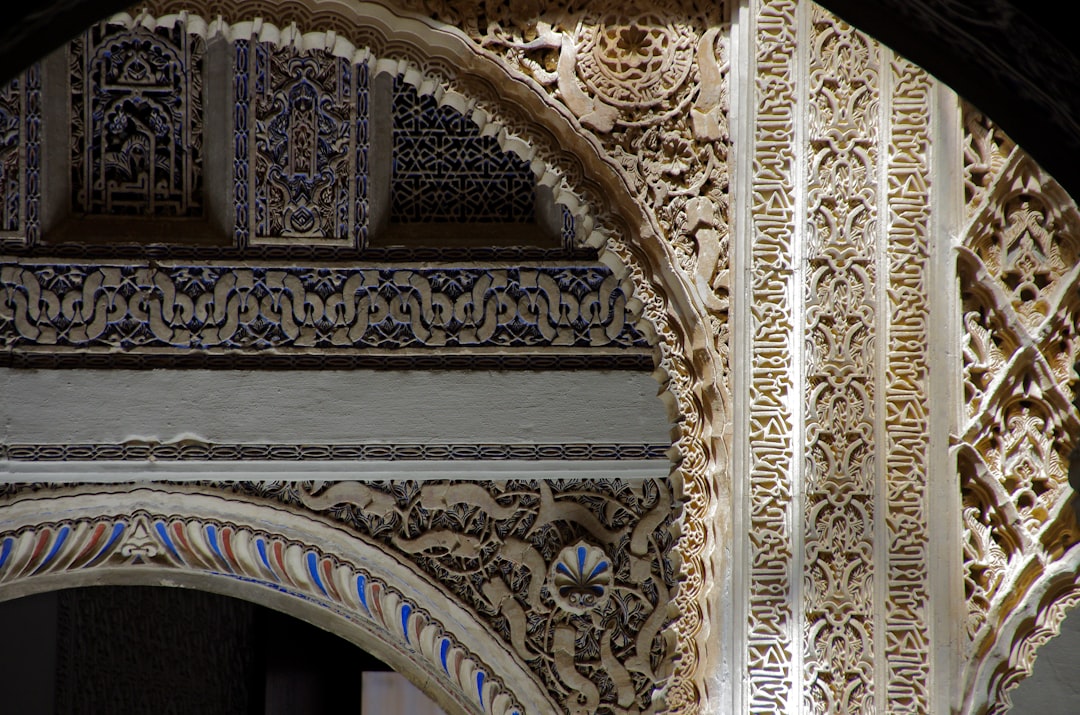
The Royal Alcazar is still the single most impressive building in Seville, and after renovations completed in 2025 several upper rooms are open again. You walk through centuries of Mudejar craftsmanship, from the Patio de las Doncellas to the Ambassadors Hall, where every inch of wall is carved stucco or geometric tile. Game of Thrones fans will recognize the gardens as Dorne, but the real magic is the quiet pools and peacocks wandering between the hedges.
Book the first morning slot online before your trip. Walk-up tickets sell out by 10 a.m. in peak months, and the afternoon heat makes the gardens far less pleasant. Give yourself two and a half hours minimum.
- Best time: 9:30 a.m. entry
- Duration: 2 to 3 hours
- From: From 15 EUR
- Where: Patio de Banderas, old town
2. Climb the Giralda at Seville Cathedral
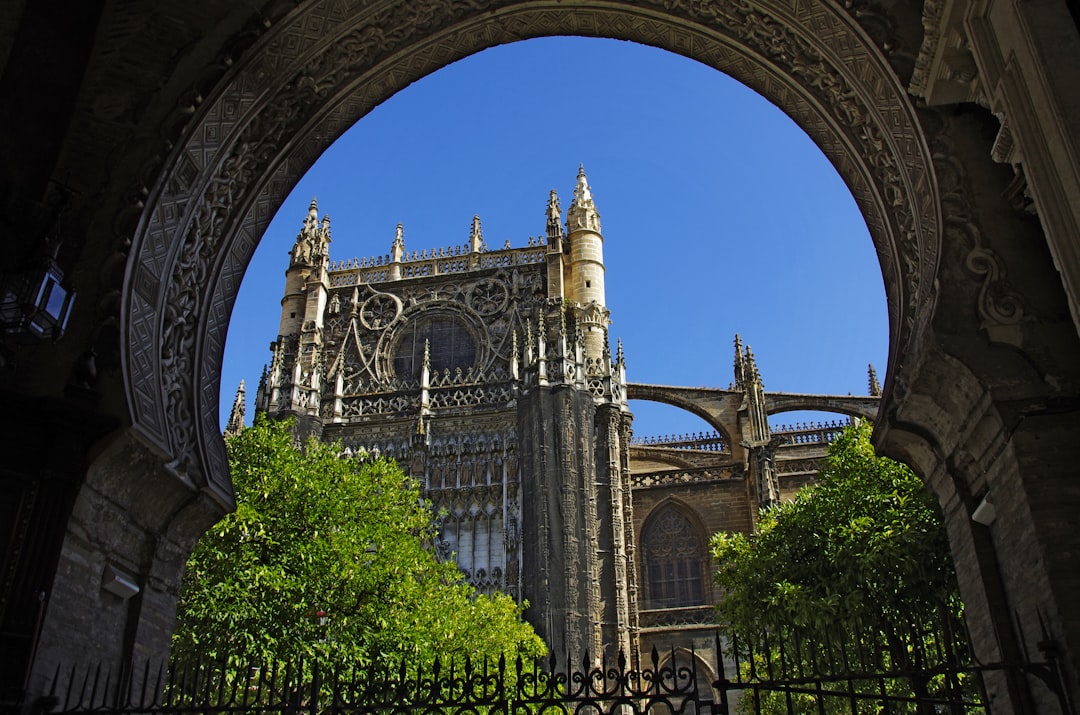
Seville Cathedral is the largest Gothic cathedral in the world, and climbing the Giralda is the payoff most visitors remember. Instead of stairs, the tower has 35 gentle ramps originally built so the muezzin could ride a horse to the top. At the summit you get a 360 degree view over terracotta rooftops, the Alcazar gardens, and the river curving toward Triana.
Inside the cathedral itself, pay respects at the tomb of Christopher Columbus and look up at the gilded altarpiece, one of the largest in Christendom. A combined ticket with the Salvador Church saves time and a few euros.
- Best time: Late afternoon for light
- Duration: 90 minutes
- From: From 13 EUR
- Where: Avenida de la Constitucion
3. Watch a Flamenco Show in Triana
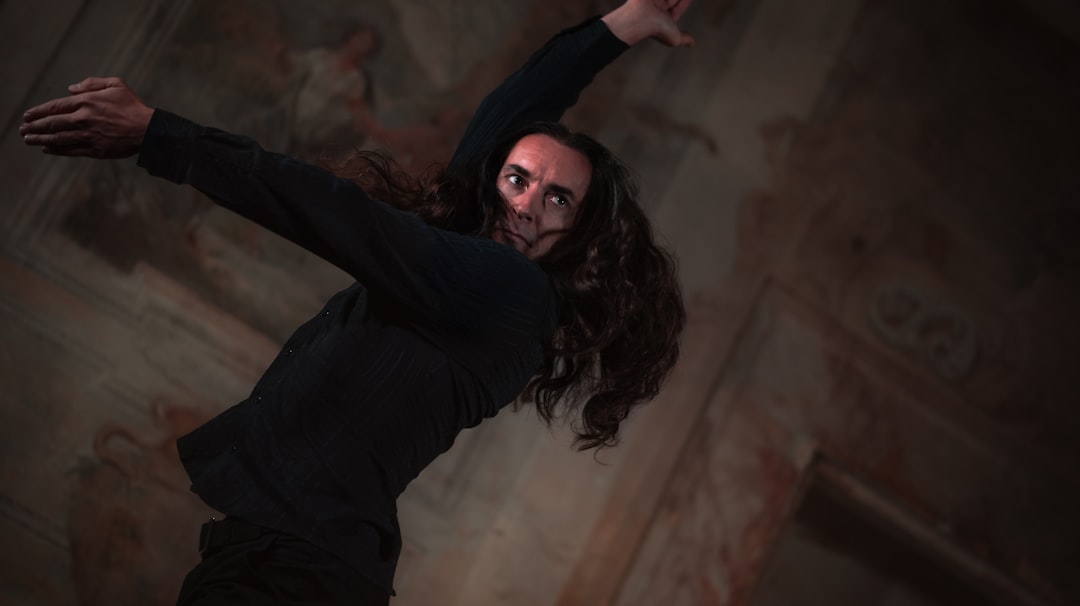
Flamenco was born in the neighborhoods across the river, and Triana remains the most honest place to experience it. Skip the large tourist tablaos near the cathedral and book a small venue like Casa de la Memoria or a penas in Triana where singers, guitarists, and dancers perform a few feet from your chair. The emotion is raw, the footwork is loud, and an hour passes in what feels like ten minutes.
I always recommend the 9 p.m. show so you can eat tapas afterward rather than rushing dinner. Arrive 20 minutes early, because seating is first come first served in most intimate venues.
- Best time: 9 p.m. evening show
- Duration: 60 to 75 minutes
- From: From 22 EUR
- Where: Triana or Santa Cruz
4. Wander the Santa Cruz Quarter at Dusk
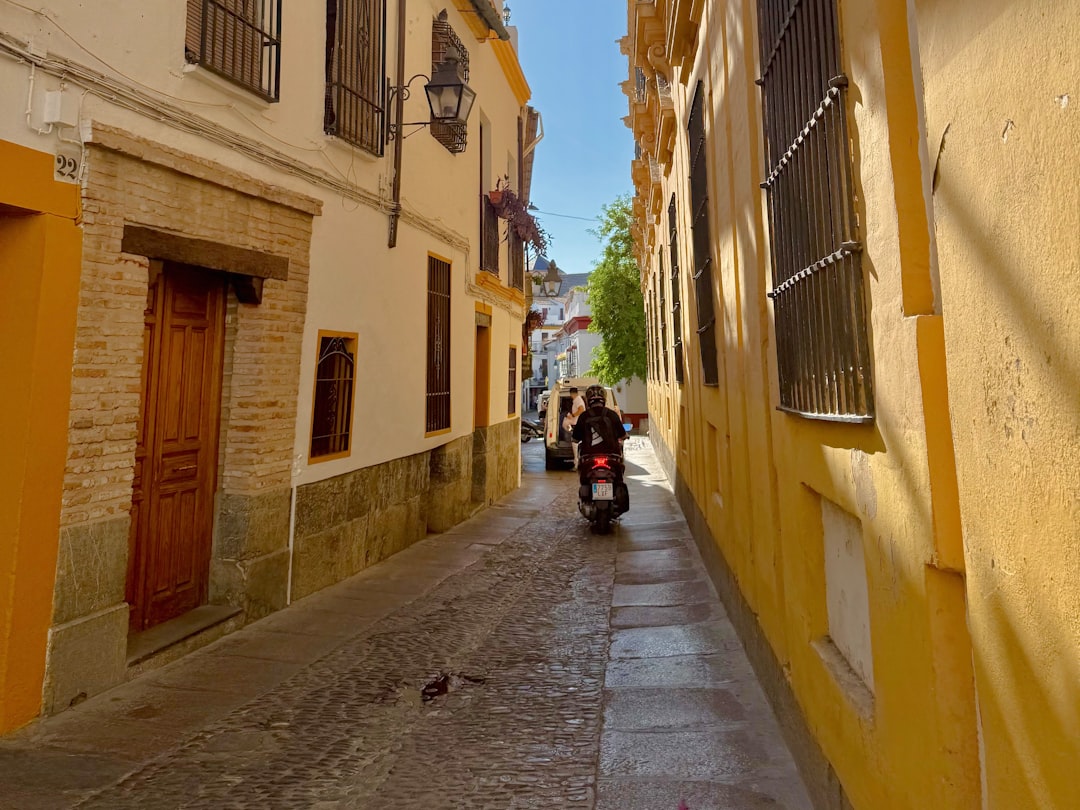
The old Jewish quarter is a tangle of whitewashed alleys, tiny plazas, and orange trees that perfume the air in spring. It is touristy by day, but after 7 p.m. the tour groups thin out and the lanterns flicker on. I like to start at Plaza Dona Elvira, loop past the Hospital de los Venerables, and end at Plaza de Santa Cruz for a vermouth at a pavement table.
Get lost on purpose. The streets are so narrow that GPS struggles, and half the pleasure is turning a corner into a courtyard you did not expect. Wear flat shoes because the cobblestones are uneven.
- Best time: 7 to 9 p.m.
- Duration: 2 hours
- From: Free
- Where: East of the cathedral
5. Eat Your Way Through a Tapas Crawl

Tapas in Seville is a verb, not just a noun. The tradition is to stand at the bar, order one or two small plates with a cana or a glass of fino, then move on to the next spot. My standard loop covers four bars in the Alfalfa and Alameda districts, starting with solomillo al whisky and ending with a slice of tortilla that has barely set in the middle.
Budget around 25 to 35 EUR per person for a full crawl with drinks. A guided tapas tour is worth the money on your first night because the host explains which dishes each bar actually does well, and you avoid the tourist traps on Calle Mateos Gago.
- Best time: 8:30 to 11 p.m.
- Duration: 3 hours
- From: From 55 EUR guided
- Where: Alfalfa, Alameda, Triana
Why Seville Keeps Pulling Us Back
What makes Seville different from Madrid or Barcelona is the pace. Lunch is long, the siesta is real, and the best conversations happen at a bar counter after 10 p.m. You can see the headline monuments in two days, but staying four or five is when the city opens up. The next five ideas below lean into that slower rhythm, from rooftop drinks to riverside walks and a proper Andalusian day trip.
6. Admire Plaza de Espana and Maria Luisa Park
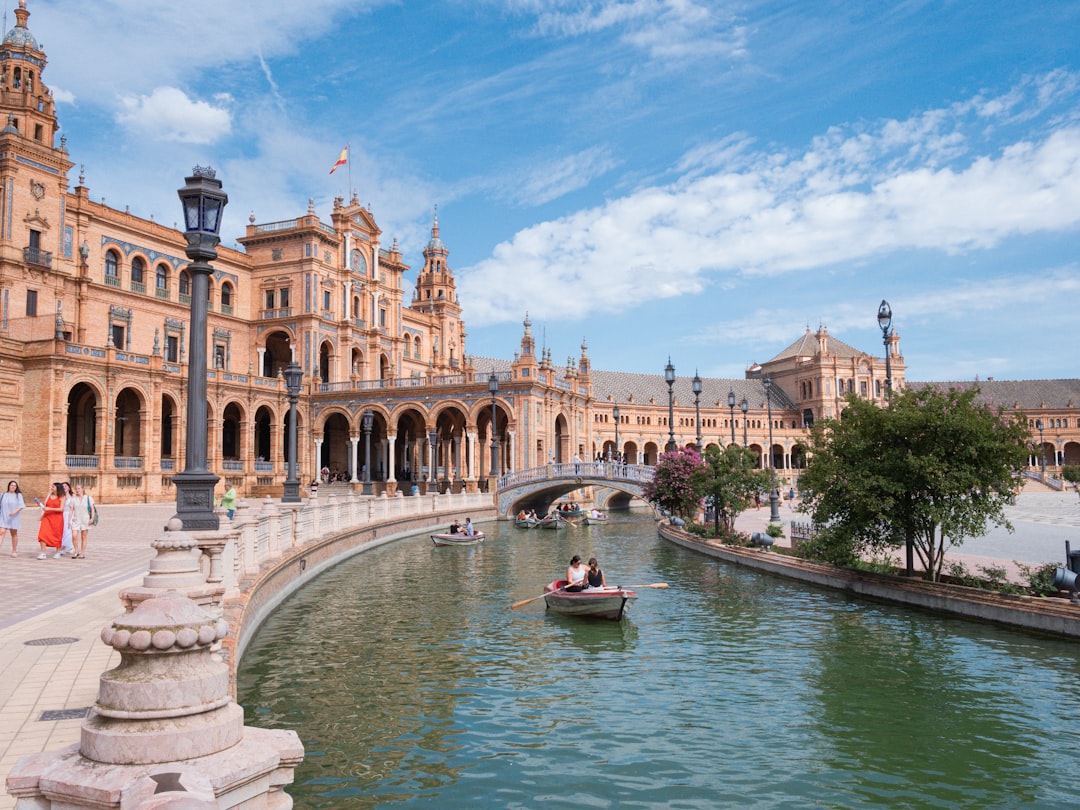
Plaza de Espana was built for the 1929 Ibero-American Exposition, and it still stops people mid-step when they walk through the arch for the first time. The semicircular building wraps around a canal where you can rent a small rowboat for 6 EUR, and 48 tiled alcoves represent the provinces of Spain. Bring a coin and find your ancestral region.
Behind the plaza, Maria Luisa Park is the greenest corner of the city, full of fountains, pergolas, and parakeets. On a hot afternoon I grab an iced horchata from a kiosk and wander under the palms for an hour.
- Best time: Morning or sunset
- Duration: 90 minutes
- From: Free entry
- Where: South of old town
7. Cross to Triana for Ceramics and River Views
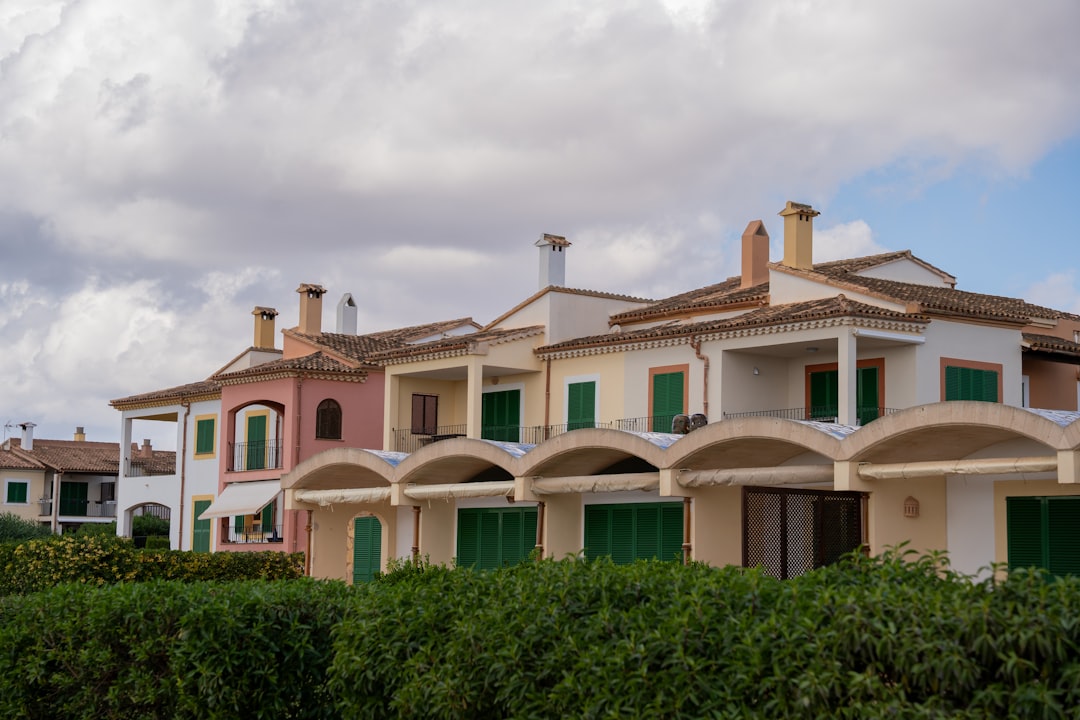
Triana sits across the Isabel II bridge and was historically the sailor, potter, and gypsy quarter of Seville. It still has a distinct identity, with azulejo tile workshops on Calle Alfareria and the Mercado de Triana built over the old castle of the Inquisition. Stop at Ceramica Santa Ana for hand-painted tiles you can actually bring home in a suitcase.
At sunset, walk the Calle Betis promenade along the river. The view back toward the Torre del Oro and the cathedral at golden hour is the photo you will send to everyone at home. Follow it with dinner at a riverside table.
- Best time: Late afternoon
- Duration: Half day
- From: Free
- Where: West bank of the Guadalquivir
8. See the City from Metropol Parasol
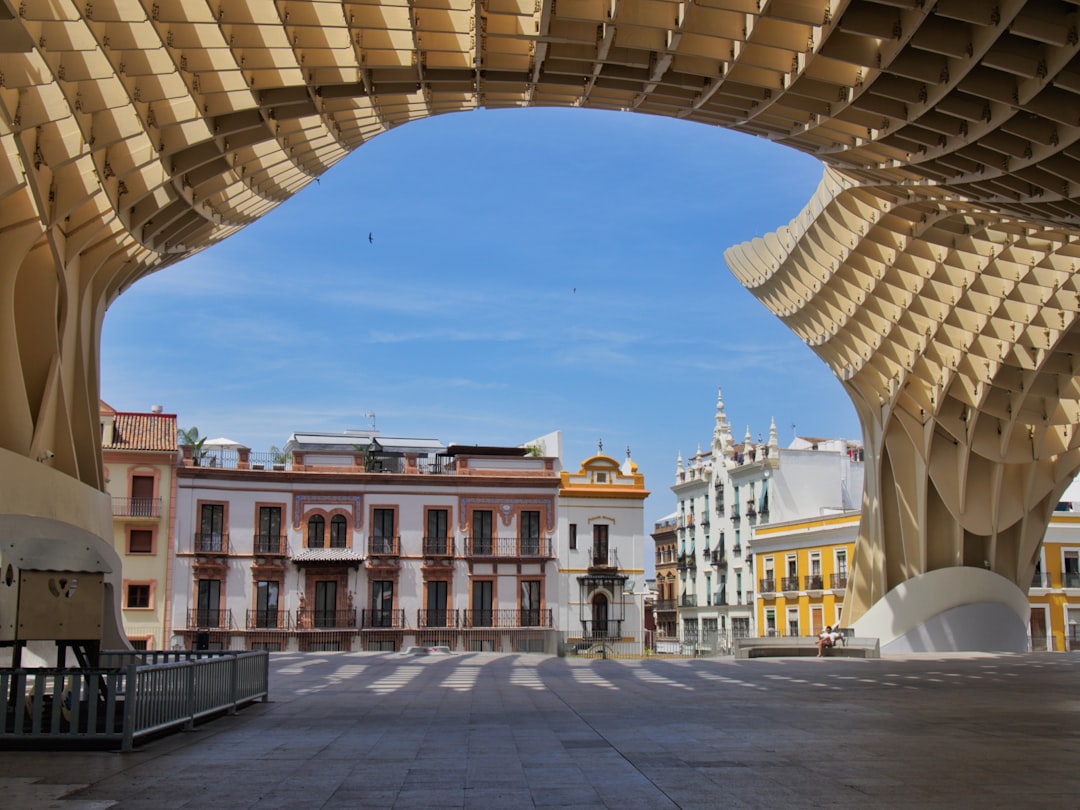
Locals call it Las Setas, the mushrooms, and the giant wooden canopy is the most photographed piece of contemporary architecture in Andalusia. The walkway across the top gives a different perspective on the old town, and the new immersive light show at night has become a surprise hit since it launched in 2024.
Underneath, the Antiquarium museum displays Roman ruins uncovered during construction. Combine the rooftop walk with a drink at one of the cafes on Plaza de la Encarnacion. Ticket prices are reasonable and include a free drink at the bar.
- Best time: Just before sunset
- Duration: 1 hour
- From: From 15 EUR
- Where: Plaza de la Encarnacion
9. Take a Sunset Cruise on the Guadalquivir

An hour on the Guadalquivir is the easiest way to rest your feet and still see something new. Boats leave from the dock beside the Torre del Oro and glide past the bullring, the Triana bridge, and the old shipyards. Time it for golden hour and the light turns every building on the bank honey-colored.
I prefer the smaller operators with open upper decks and live commentary in English and Spanish. Bring a light jacket between November and March, because the breeze off the water is cooler than you expect.
- Best time: One hour before sunset
- Duration: 60 minutes
- From: From 18 EUR
- Where: Torre del Oro dock
10. Day Trip to the Roman Ruins of Italica
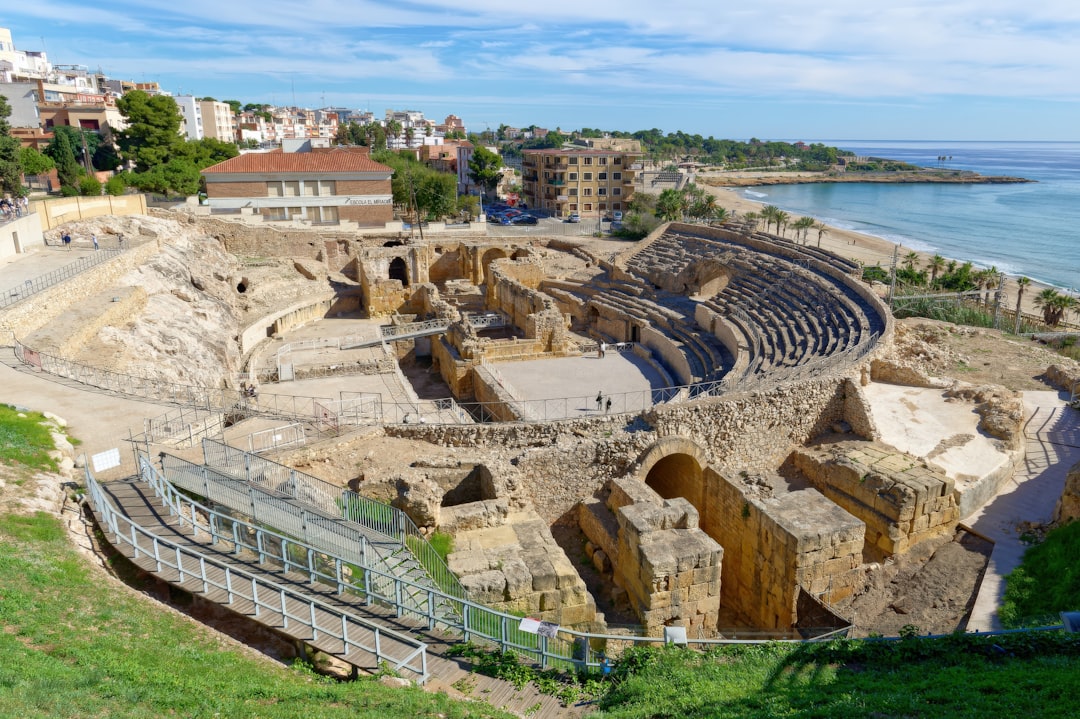
Twenty minutes north of the city, Italica was the birthplace of emperors Trajan and Hadrian, and its amphitheater once held 25,000 spectators. You can walk through mosaic-floored villas, stand in the arena where Game of Thrones filmed the Dragonpit, and have most of the site almost to yourself on a weekday morning.
Bus M-172 runs from Plaza de Armas for about 1.60 EUR each way and takes 25 minutes. Go early, wear a hat, and bring water because shade is limited. Back in Seville by lunch, you will still have the whole afternoon free.
- Best time: 9 a.m. opening
- Duration: Half day
- From: From 1.50 EUR entry
- Where: Santiponce, 9 km north
Plan your Seville trip
Best time to visit
March to May and late September to November are ideal, with daytime temperatures in the low 20s Celsius and orange blossom or jacaranda in bloom. Avoid July and August when the heat regularly passes 40 C. Semana Santa in early April and the Feria de Abril are spectacular but book rooms six months out.
How to get around
The old town is walkable end to end in 25 minutes. A single tram line and a compact bus network cover the rest, and a 10 ride card costs about 8 EUR. The Sevici bike share works well along the flat riverside paths. Skip taxis unless you are heading to the airport or arriving late.
Where to stay
Santa Cruz puts you next to the cathedral but gets busy. Alfalfa and Alameda are better for nightlife and tapas. Triana offers more local atmosphere and better value, a 10 minute walk from the main sights across the bridge.
What to pack
Light layers for spring and autumn, a proper sun hat and refillable water bottle for summer, and comfortable shoes for cobblestones. A small crossbody bag helps in crowded plazas, and modest shoulder cover is required inside the cathedral.
Frequently asked questions
How many days do you need in Seville?
Three full days cover the Alcazar, cathedral, Santa Cruz, Triana, and a flamenco show. Four or five days let you add Italica, Plaza de Espana at leisure, and a proper tapas crawl without rushing.
Is Seville safe for tourists in 2026?
Yes, Seville is one of the safer large cities in Spain. Petty pickpocketing happens in crowded spots like the cathedral entrance and during Semana Santa, so keep bags zipped and phones out of back pockets.
What is the best month to visit Seville?
April and October are the sweet spots. Temperatures sit around 22 to 26 C, crowds are manageable outside Semana Santa and Feria week, and the light is beautiful for photos.
Do I need to book the Alcazar in advance?
Yes, absolutely. Online tickets open 60 days ahead and morning slots sell out first. Walk-up queues can run over two hours in peak season, and same-day online tickets often show as sold out by mid-morning.
Is Seville expensive compared to Madrid or Barcelona?
No, Seville is noticeably cheaper. Expect meals from 12 to 20 EUR, beers at 2.50 EUR, and mid-range hotels from 90 to 140 EUR a night in shoulder season.
Can you visit Seville without speaking Spanish?
Yes, most hotel staff, tour guides, and central restaurants speak enough English. Learning a few phrases like una cana por favor goes a long way and is appreciated in smaller neighborhood bars.
What is the best neighborhood for first-time visitors?
Santa Cruz or Alfalfa. Both put you within walking distance of the cathedral, Alcazar, and main tapas streets. Triana is a great second choice if you want more local character and river views.
Is a flamenco show worth it in Seville?
Yes, if you book an intimate venue rather than a large dinner show. A 60 minute performance at a small tablao or pena in Triana is one of the most memorable experiences in the city.
Ready to Plan Your Seville Trip?
From the Alcazar gardens at sunrise to a flamenco guitar in a Triana backstreet at midnight, Seville rewards travelers who slow down and eat their way through it. Use this list as your backbone, leave room for one aimless afternoon, and you will leave already planning the return trip. Compare stays, tours, and cruises in one place on BookingRadar.